Личный кабинет

The results of the 5th International Scientific and Practical Conference "Digital Technologies and Law" have been summarized
The conference is held as part of the Kazan Digital Week 2026 international forum, with the support of the Ministry of Digital Development, Communications and Mass Media of the Russian Federation and the Government of the Republic of Tatarstan.
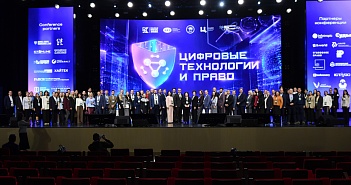
On October 31, 2026, the International Scientific and Practical Conference "Digital Technologies and Law" was held at the Kazan Expo International Exhibition Center. The event served as a significant platform for discussing pressing issues related to the legal regulation of the digital environment. Participants included scholars, educators, legal practitioners, representatives from government authorities and the business community, as well as undergraduate and graduate students. The discussions underscored the high degree of scientific relevance of the topics addressed and confirmed that digital transformation affects virtually every branch of law, necessitating the development of new theoretical approaches and practical solutions.
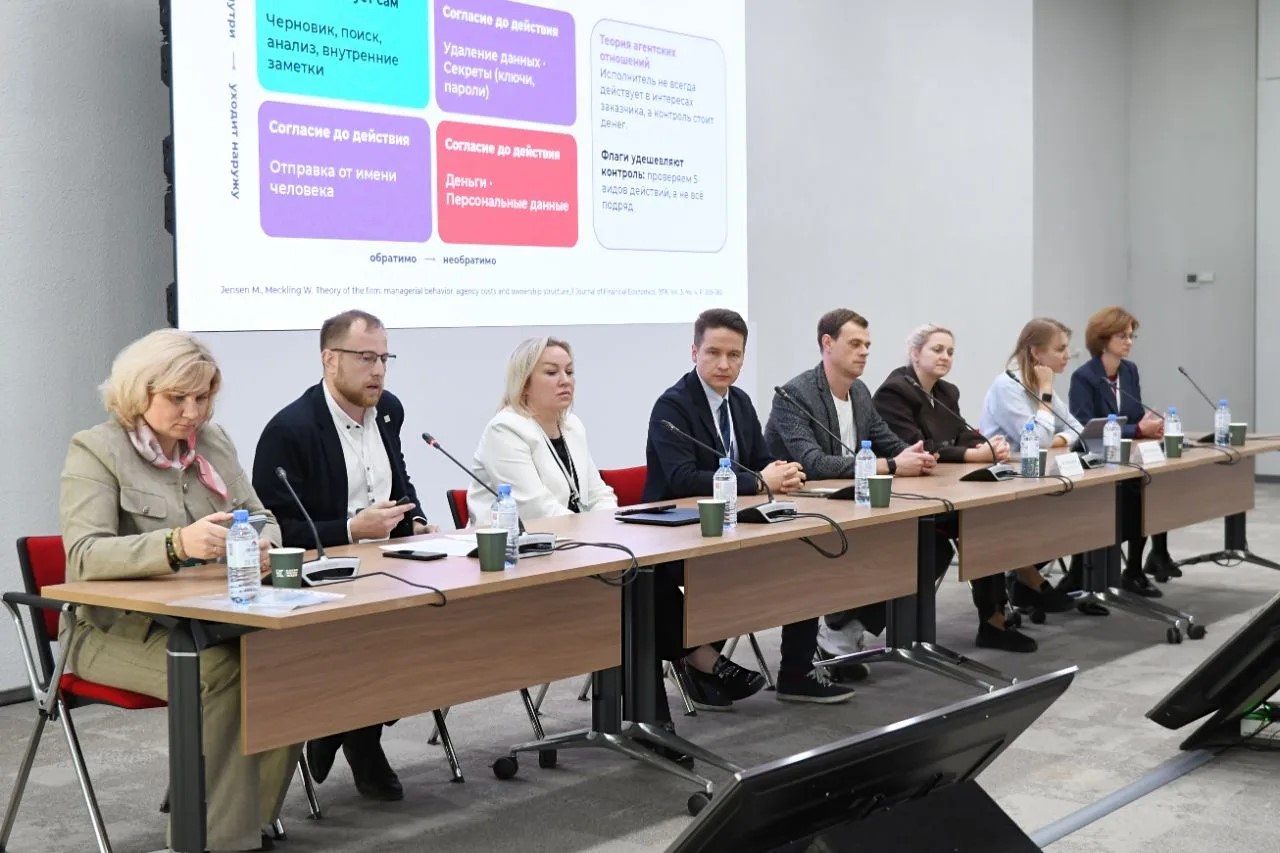
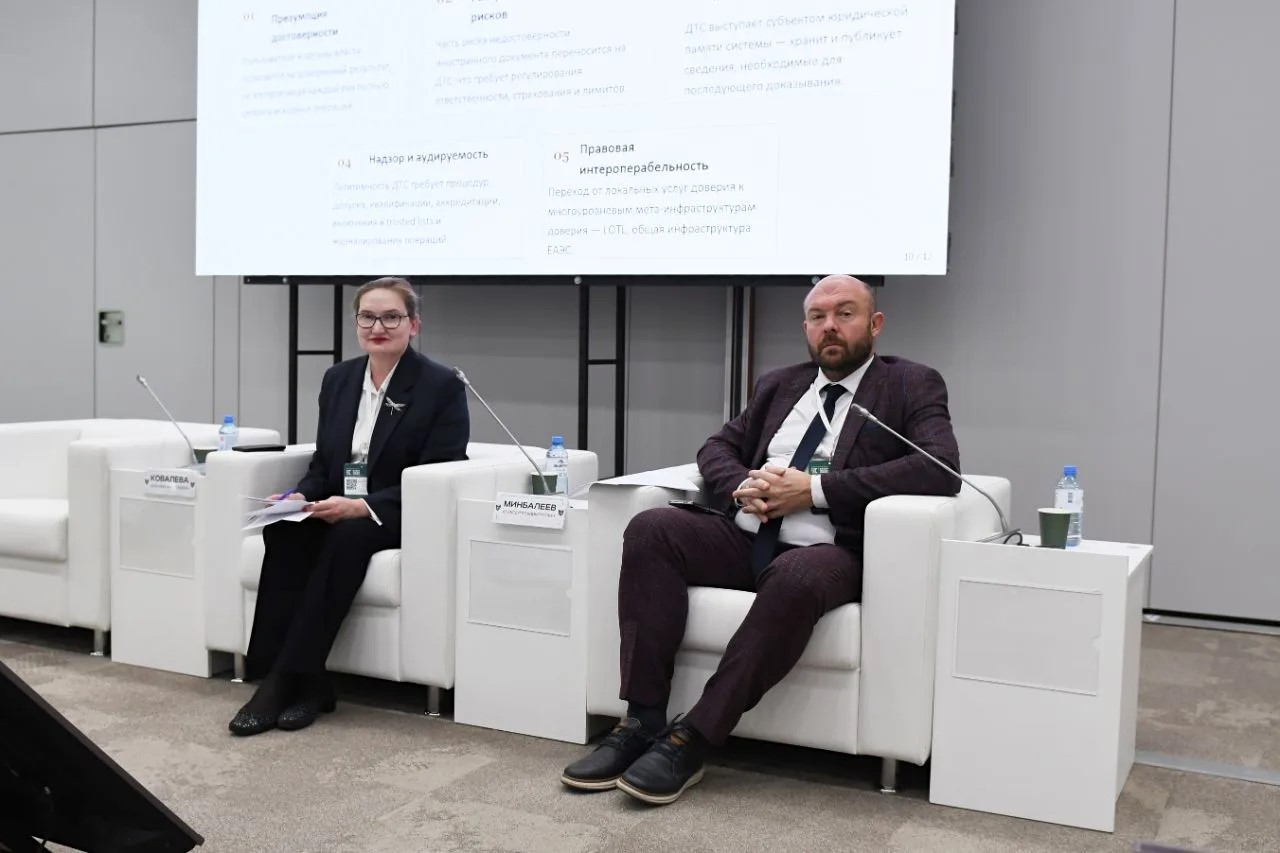
During the plenary session and breakout discussions, participants addressed issues concerning the impact of digital technologies on public administration, private law relations, criminal law protection, international cooperation, the financial sector, healthcare, labor relations, and the justice system. Particular attention was devoted to the legal status of artificial intelligence, digital platforms, electronic evidence, digital identification, and information security. The general consensus was that the law should not merely react to technological changes but should instead anticipate them, ensuring a balance between innovative development and the protection of human rights.
In the session dedicated to the theoretical and historical aspects of digital technologies in law, discussions focused on the emergence of "digital law" as a complex, interdisciplinary phenomenon. Participants concluded that digitalization necessitates a rethinking of traditional legal categories and an update to the conceptual framework of legal scholarship. An examination of the public-law dimensions of digitalization revealed that the development of electronic interaction between citizens and the state must be accompanied by strict adherence to the principles of legality, transparency, and legal certainty. Furthermore, a "digital state" should not replace the guarantees of individual rights and freedoms; rather, it should facilitate their more effective realization.

The private law section addressed digital transactions, electronic contractual frameworks, the specifics of the platform economy, and issues of civil liability in the digital environment. Participants emphasized that the rapid development of electronic commerce necessitates the adaptation of civil law mechanisms to new forms of economic and social relations. The criminal law section also drew significant interest, with discussions covering cybercrimes, the nuances of their legal classification, evidentiary challenges, and strategies for countering emerging types of socially dangerous conduct. It was noted that the digital environment gives rise to qualitatively different forms of crime, thereby requiring the refinement of both criminal law and forensic approaches to addressing them.
The international law section proved equally substantive, exploring issues such as cross-border data exchange, jurisdiction in the digital realm, international cybersecurity, and the harmonization of approaches to regulating digital relations. Participants observed that while digitalization is global in scope, legal regulation remains predominantly national—a situation that creates various legal conflicts and underscores the need for strengthened international cooperation. The section dedicated to undergraduate and master’s students featured presentations that were highly relevant, demonstrated independent research, and focused on practical challenges within digital law—all of which attest to the significant academic potential of these young researchers.
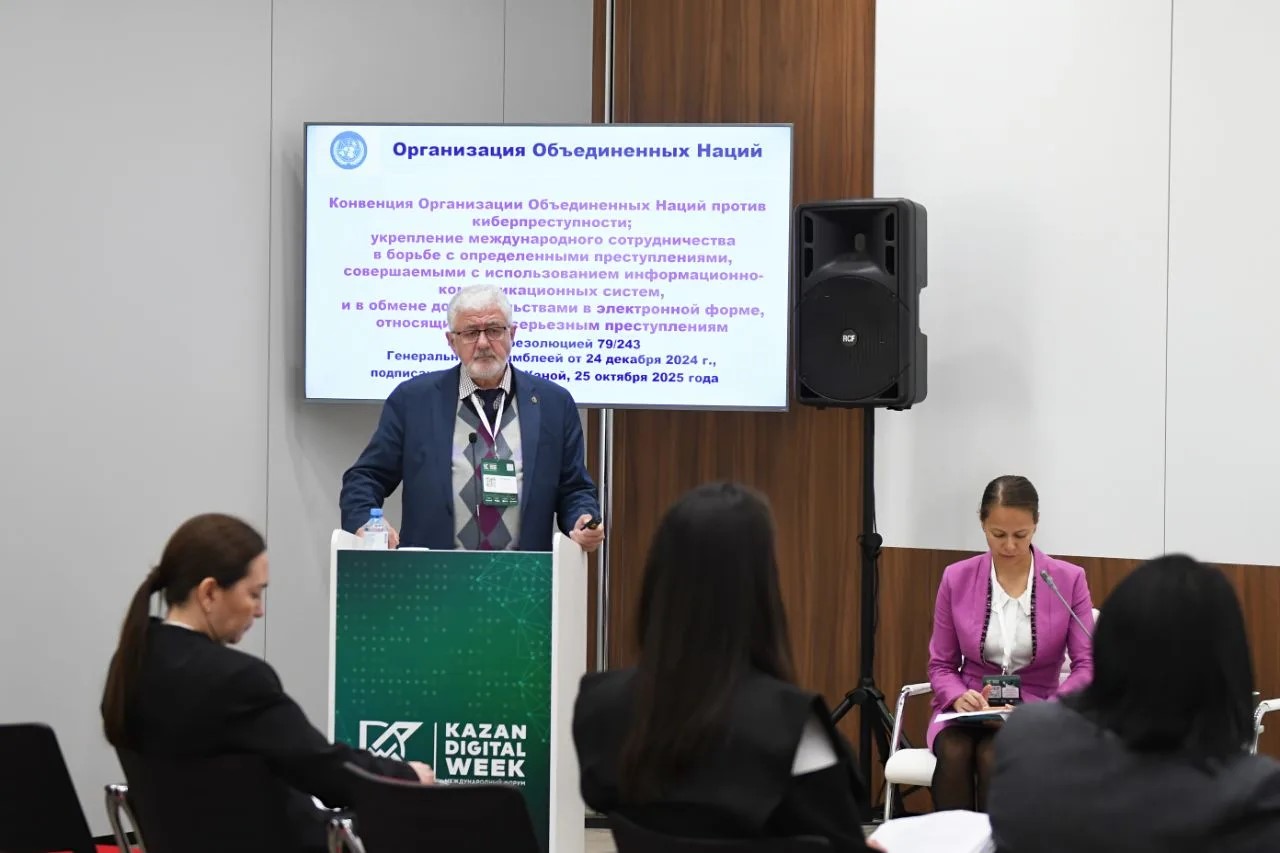
The English-language section on "Digital Technologies and Law" fostered an expanded international scholarly dialogue and the exchange of research approaches. The discussions highlighted that the challenges of digital regulation are universal in nature, necessitating a comparative analysis of various national models of legal response. An interdisciplinary session dedicated to digital transformation demonstrated that effective legal regulation cannot be achieved without accounting for the technological, economic, and social factors that shape the development of the digital environment.
Specialized sessions drew particular attention from participants. Issues surrounding the legal regulation of artificial intelligence and robotics sparked a lively debate regarding the limits of autonomy for intelligent systems, the legal risks associated with their deployment, and potential frameworks for allocating liability. A session on digital security focused on information protection, countering cyber threats, and establishing robust legal mechanisms to ensure security within the digital realm. The session on finance and taxation addressed digital financial services, the automation of tax oversight, and the legal implications of integrating digital tools into financial supervision systems. There was also significant interest in labor relations within the context of digitalization—covering topics such as remote work, electronic document management, and the protection of labor rights in this new technological reality.
Sessions dedicated to quantum technologies, intelligent transport systems, and digital technologies in healthcare offered a forward-looking perspective. These discussions underscored that the legal system must prepare for the emergence of technologies capable of fundamentally altering not only how legal entities interact but also the very principles of legal regulation. A session on family law examined the impact of the digital environment on family-related legal relations, as well as the use of digital evidence and electronic communication in the context of family disputes. Particular attention was devoted to topics such as justice, digital platforms, intellectual property, digital identifiers, the legal assessment of texts generated using large language models, as well as issues concerning digital criminology and forensics.
It was noted at the conclusion of the conference that the scholarly discussion held was of significant theoretical and practical importance. The conference underscored the need for the further development of the conceptual foundations of digital law, the refinement of legislation, and the advancement of interdisciplinary research in this field. The presentations and discussions will serve as a basis for future academic work, the preparation of analytical materials, and the formulation of proposals aimed at improving the legal regulation of digital technologies.