Личный кабинет

KIU Takes Part in Establishing the Chinese-Russian Association of Non-State Universities
An important step in strengthening cooperation with China: Kazan Innovative University named after V.G. Timiryasov has become one of the founders of the first-ever association in the history of Russia and China uniting non-state higher education institutions of the two countries. The initiator of the establishment of the Chinese-Russian Association of Non-State Universities is the Association of Private Higher Education Organizations and Professional Educational Organizations of Russia.
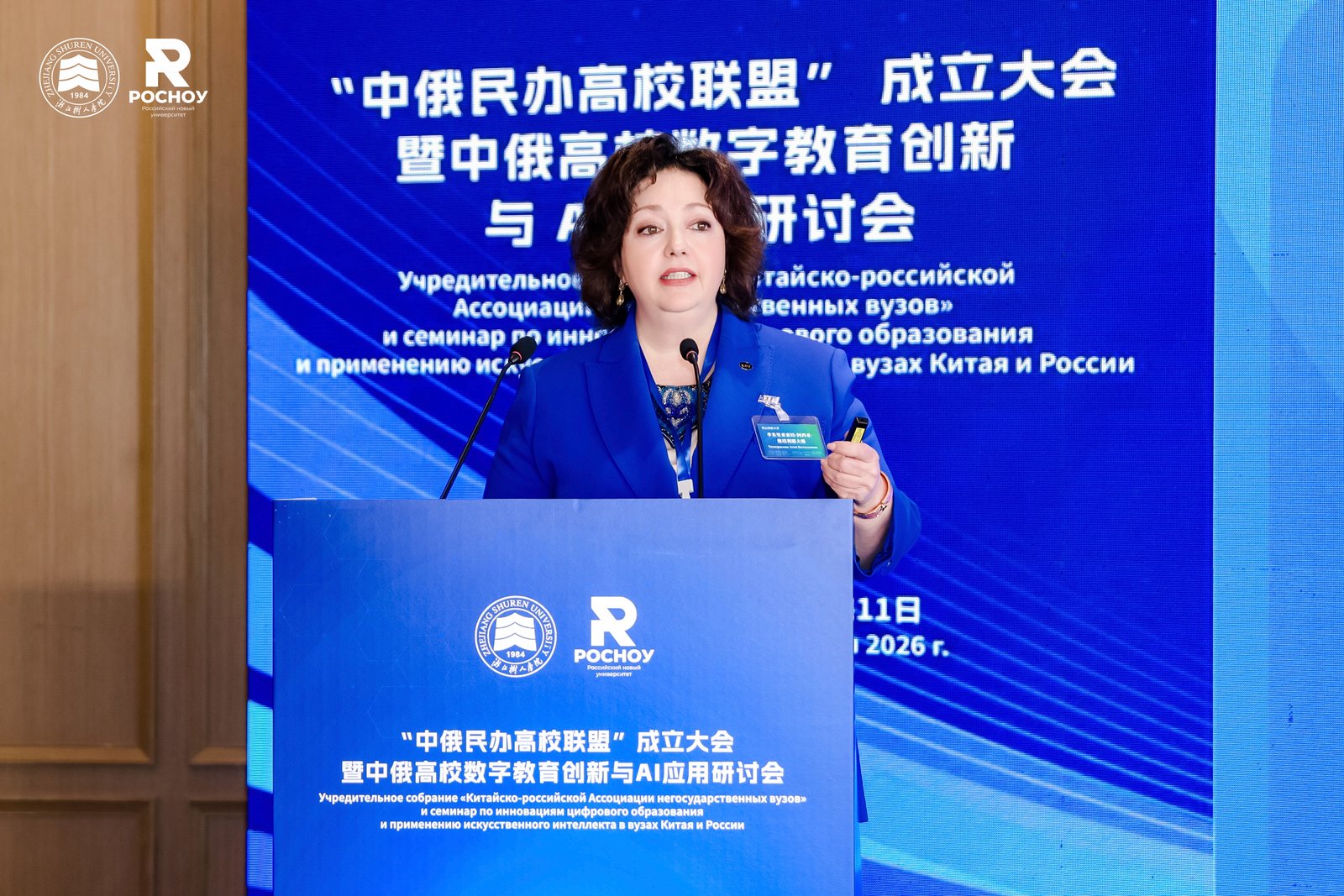
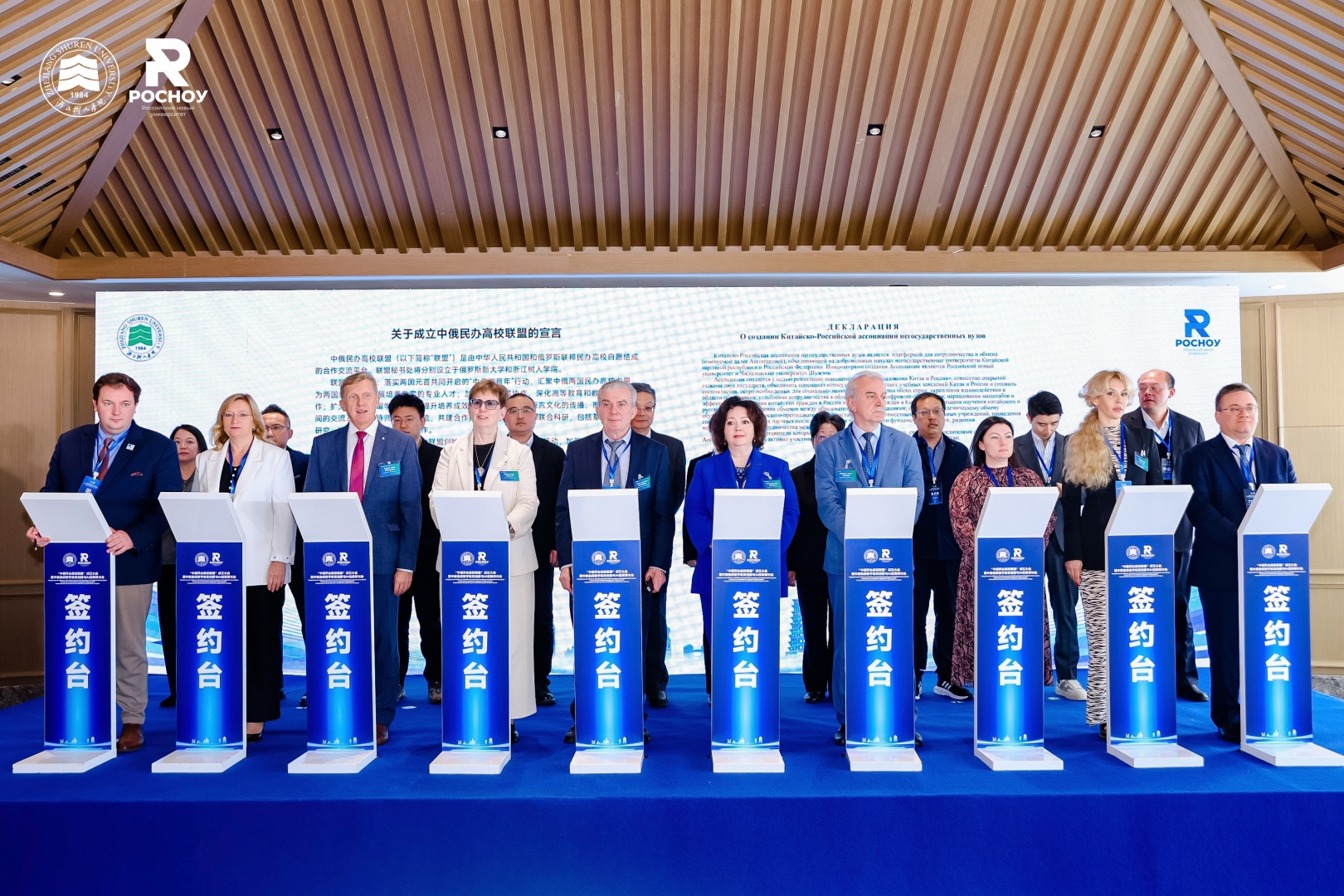
From 9 to 11 November 2026, events dedicated to the establishment of the Chinese-Russian Association of Non-State Universities were held in the city of Hangzhou (PRC), the administrative center of Zhejiang Province. The founding ceremony took place at Zhejiang Shuren University, which ranks first among non-state universities of the People's Republic of China. The Association includes 11 leading non-state universities of Russia and 11 leading non-state universities of China. The central event of the meeting was the signing of the Declaration on the establishment of the association, which will become a platform for developing educational and scientific cooperation, academic and humanitarian exchanges, implementing joint projects and strengthening professional ties between universities of the two countries within the framework of the Cross Years of Russian-Chinese cooperation in the field of education.
The events were attended by heads of Russian and Chinese universities, representatives of the education authorities of Zhejiang Province and the Chinese Association of Non-State Education. The business program was devoted to the prospects for the development of non-state higher education, the digitalization of the educational process, the use of artificial intelligence in teaching and research, the training of specialists for modern sectors of the economy and new areas of international interaction.
For Kazan Innovative University, participation in the establishment of the association is an important step in developing strategic cooperation with China. The new association opens up additional opportunities for academic mobility of students and faculty, exchange of experience, holding joint scientific events and developing practice-oriented educational programs. KIU already offers a master's program "Russian-Chinese Business and International Economic Relations," aimed at training specialists with the competencies required to work in the field of Russian-Chinese economic and business interaction.
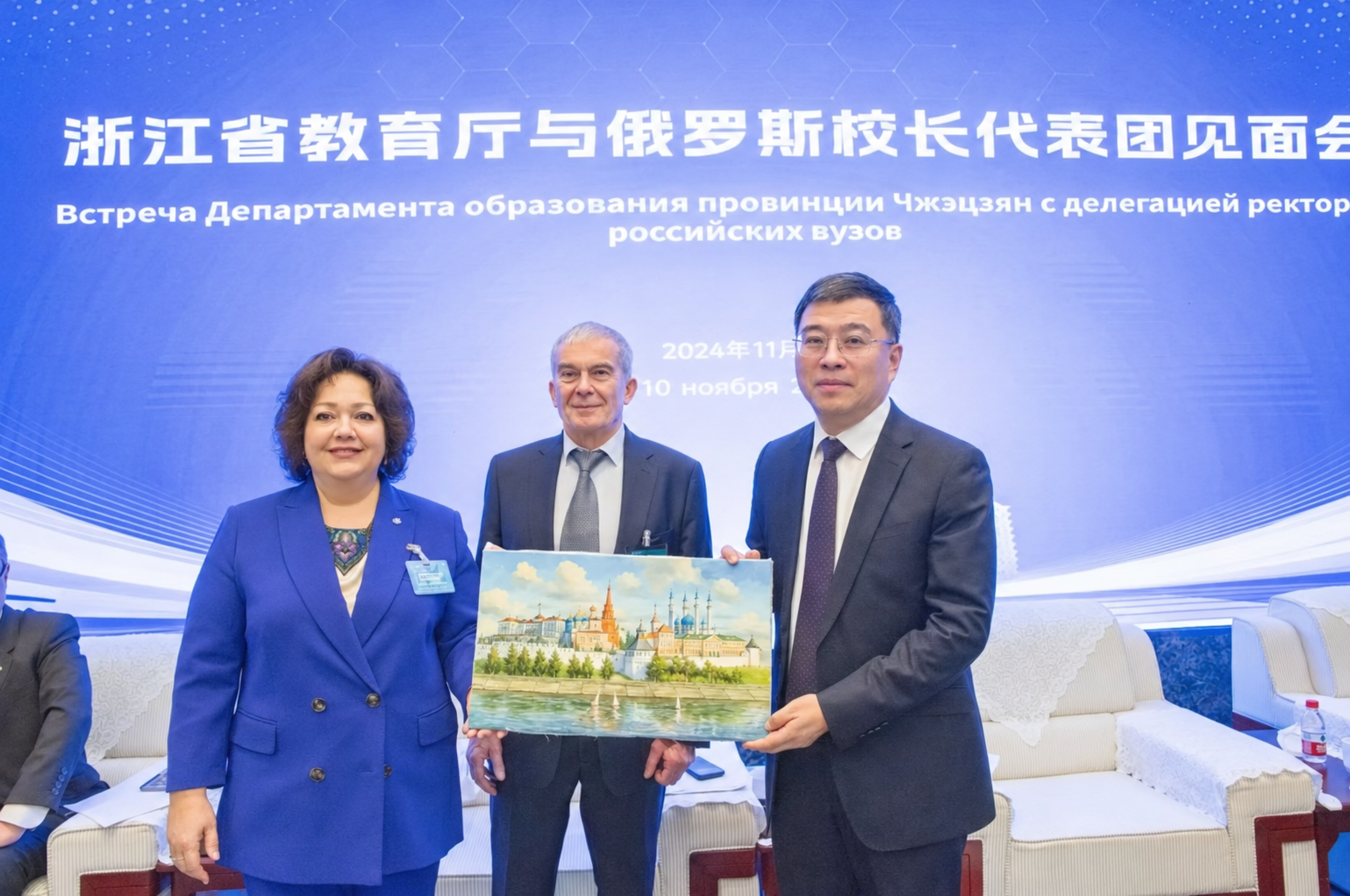
It is symbolic that the venue for the establishment of the association was Hangzhou, a city that has been a twin city of Kazan since 2003. During the visit, KIU Rector Asiya Timiryasova presented to the Deputy Head of the Education Department of Zhejiang Province a painting depicting a view of Kazan as a sign of friendship and strengthening ties between the cities and universities. The establishment of the Chinese-Russian Association of Non-State Universities is a significant event for higher education in both countries. For KIU, it opens a new stage of international partnership, expands opportunities for educational and scientific interaction and creates conditions for training specialists who are in demand amid the strengthening of Russian-Chinese relations.