Личный кабинет
The Future is Here: The Large-Scale IV International Conference "Digital Technologies and Law" and the Signing of Strategic Agreements by V.G. Timiryasov KIU
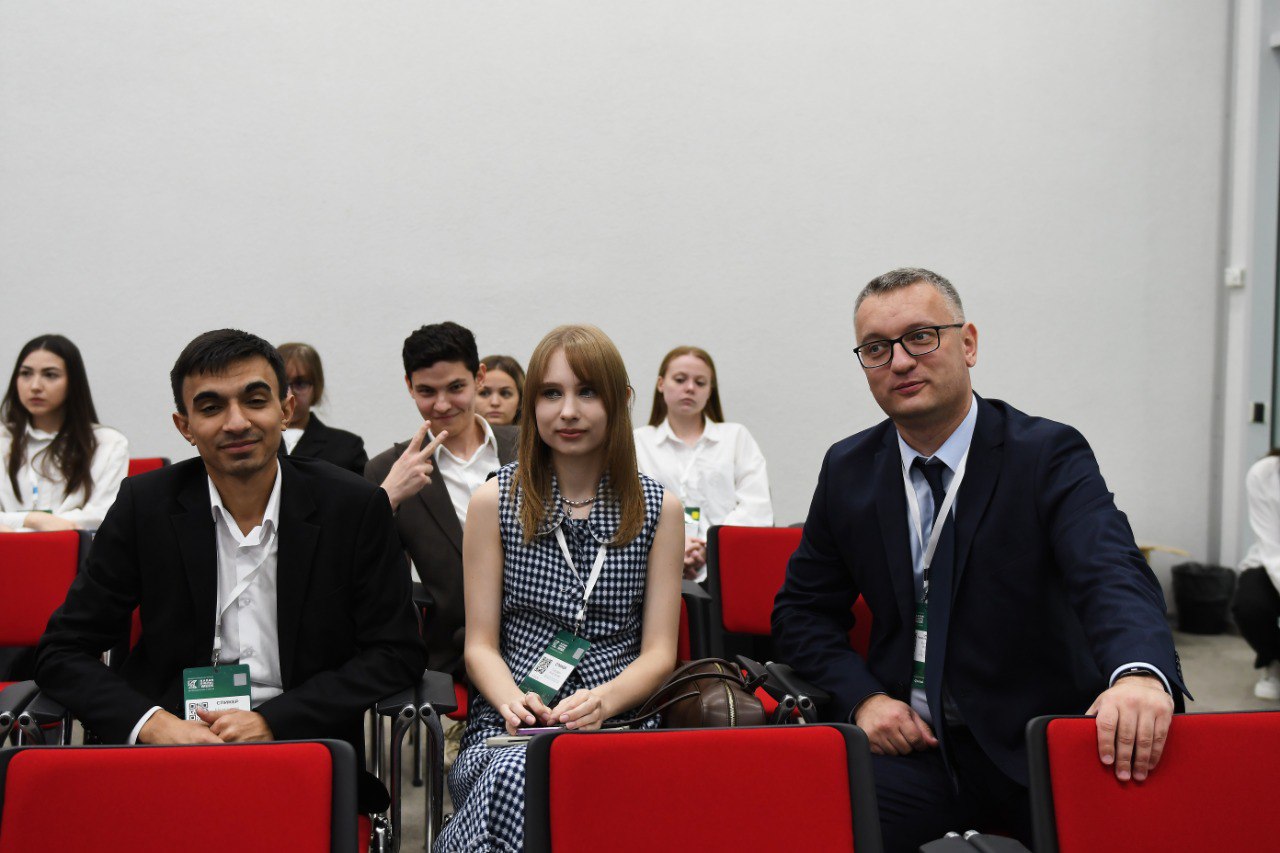
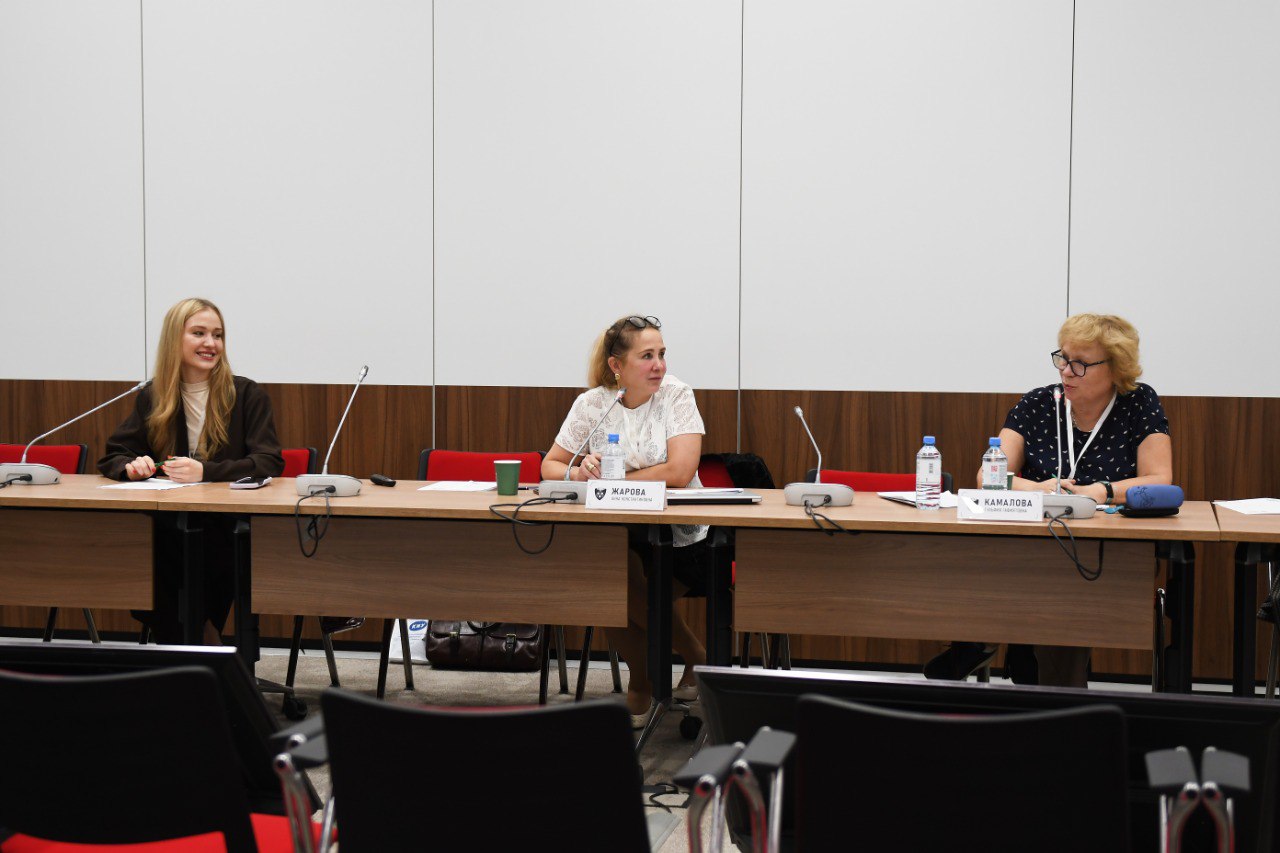
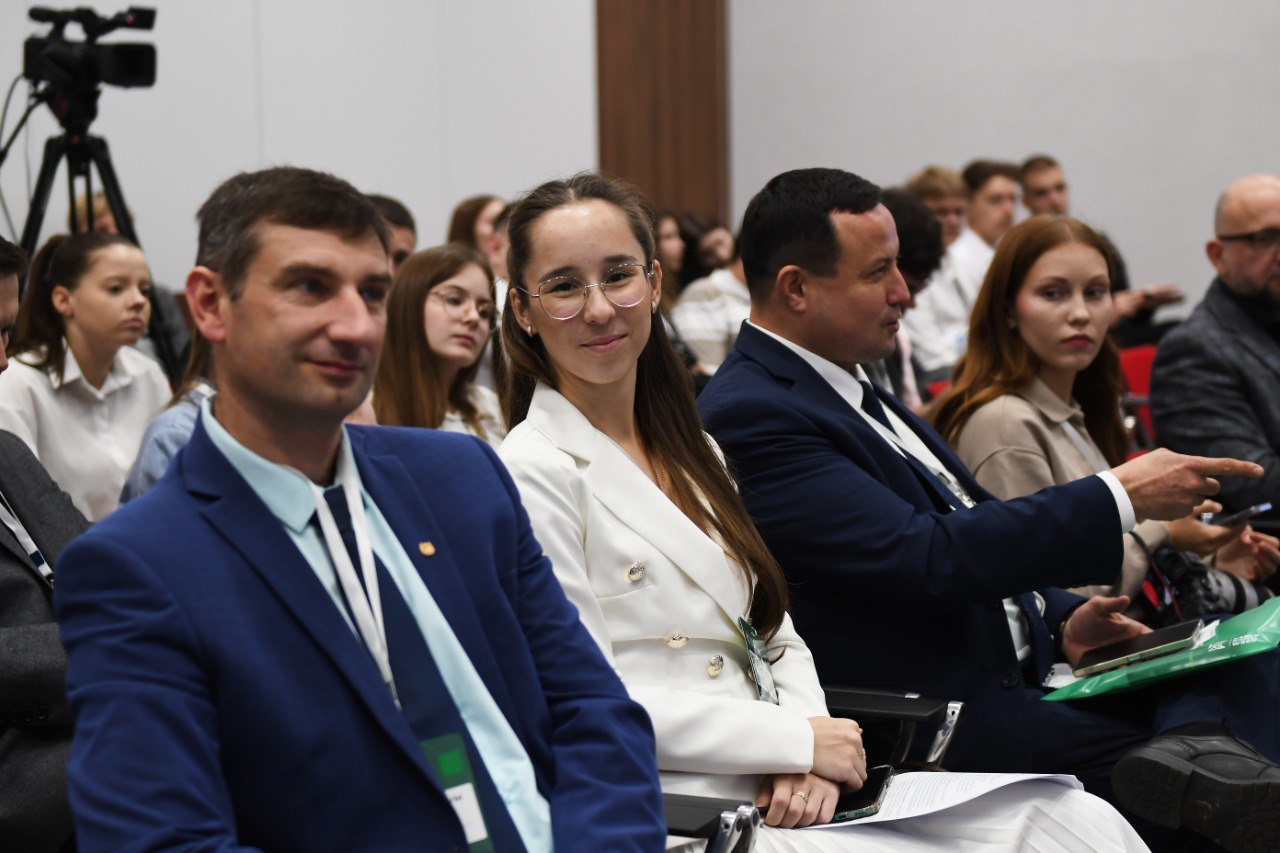
On September 19, the grand IV International Scientific and Practical Conference "Digital Technologies and Law" was held at the Kazan Expo International Exhibition Centre as part of the Kazan Digital Week forum. The event, organized by the Kazan Innovative University named after V.G. Timiryasov, brought together over 1,660 participants from 22 countries, confirming its status as one of the key discussion platforms in the field of digital technology and law in Russia and the world.
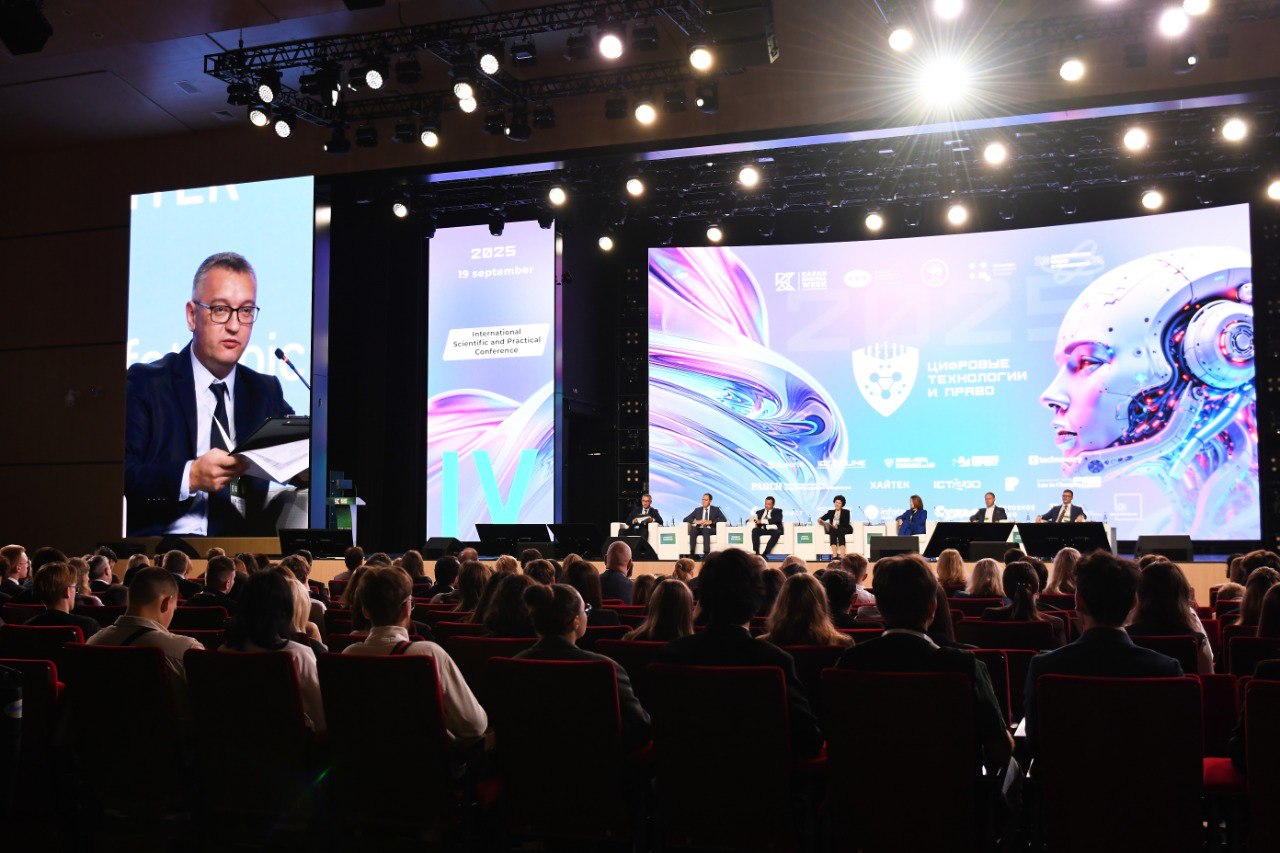
The conference is held within the framework of the Kazan Digital Week 2025 International Forum, organized by the Government of the Russian Federation together with the Cabinet of Ministers of the Republic of Tatarstan.
The conference was organized by the Research Institute of Digital Technologies and Law of the Kazan Innovative University named after V.G. Timiryasov, the Ministry of Digital Development of Public Administration, Information Technologies and Communications of the Republic of Tatarstan, and the Department of Socio-Economic Sciences of the Academy of Sciences of the Republic of Tatarstan.
The speakers included world-renowned scientists, well-known specialists, and recognized experts in digital technology and law from Belarus, Brazil, Hungary, India, Iran, Kazakhstan, China, Russia, Uzbekistan, and other countries. The conference's goal is to develop approaches to solving problems of legal regulation and protection of public relations related to digital technologies. The program committee included recognized experts from Russia, Belarus, Kazakhstan, and Uzbekistan.
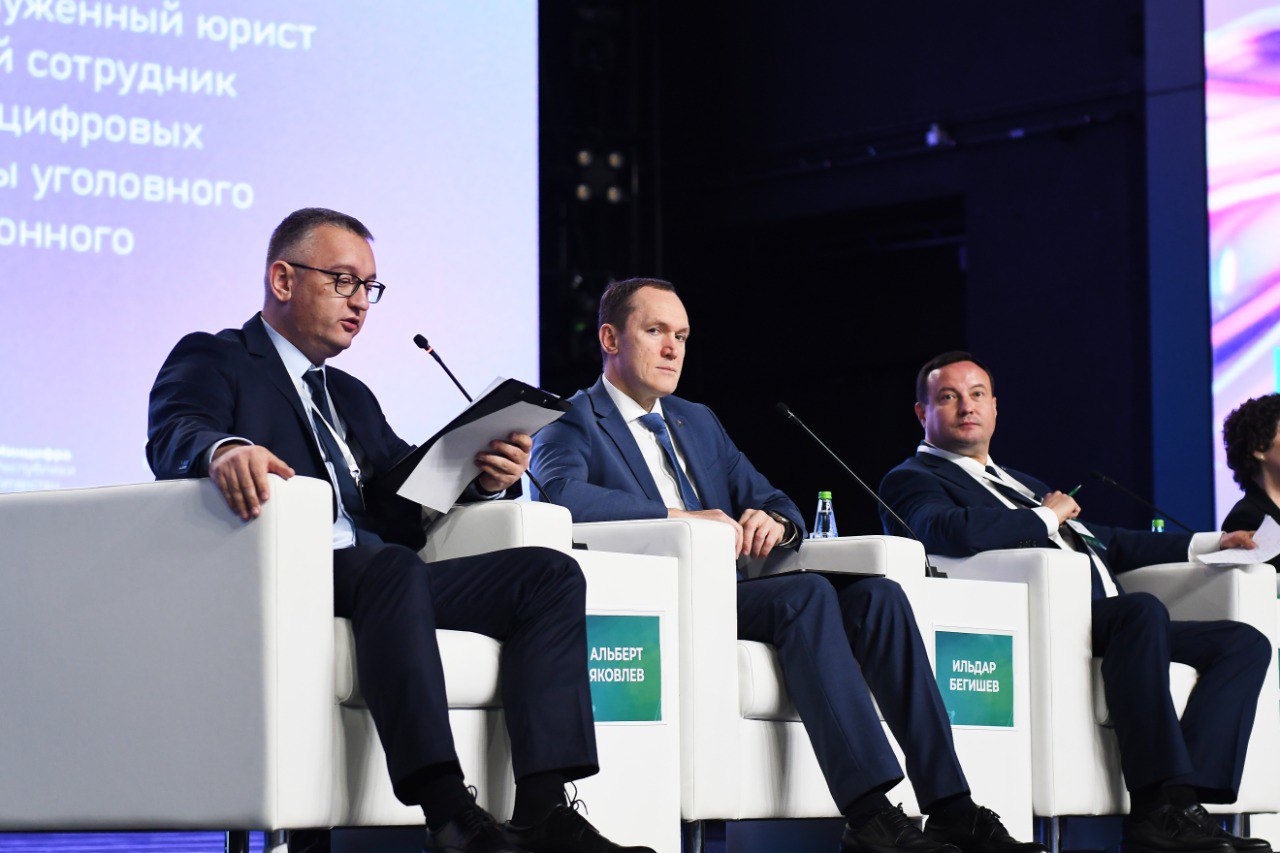
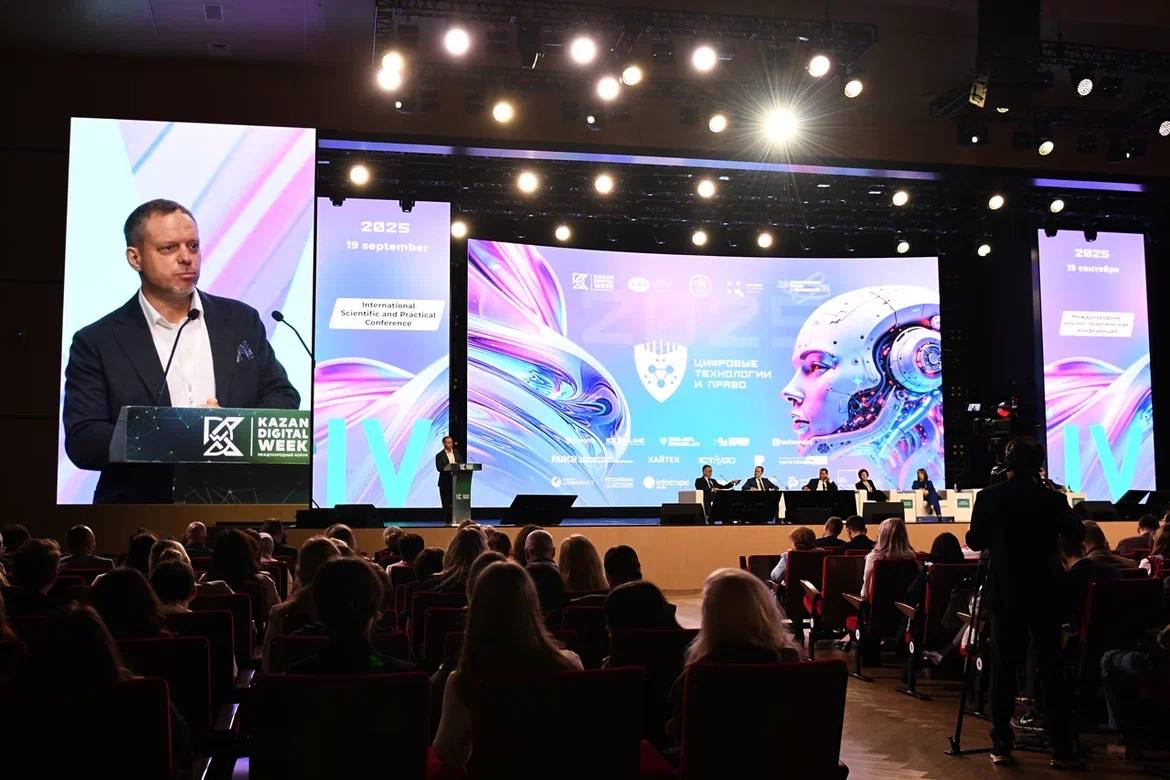
The conference was opened by its organizer, moderator, and chairman of the authoritative program committee, Chief Research Fellow of the Research Institute of Digital Technologies and Law of KIU, Doctor of Law, Professor, Honored Lawyer of the Republic of Tatarstan, Member of the Expert Council under the Committee on International Affairs of the State Duma of the Russian Federation, Ildar Begishev. "We are again happy to welcome you to our wonderful city, the capital of the Republic of Tatarstan, in Kazan," Ildar Rustamovich welcomed the participants. "The conference is being held for the fourth time, becoming a good tradition and bringing together scientists and practitioners dealing with digitalization. The main value of the event has been and remains the organization of a broad international platform for open dialogue between representatives of various branches of legal science, public authorities, business, and the expert community."
Prominent state and scientific figures addressed the participants with welcoming speeches.
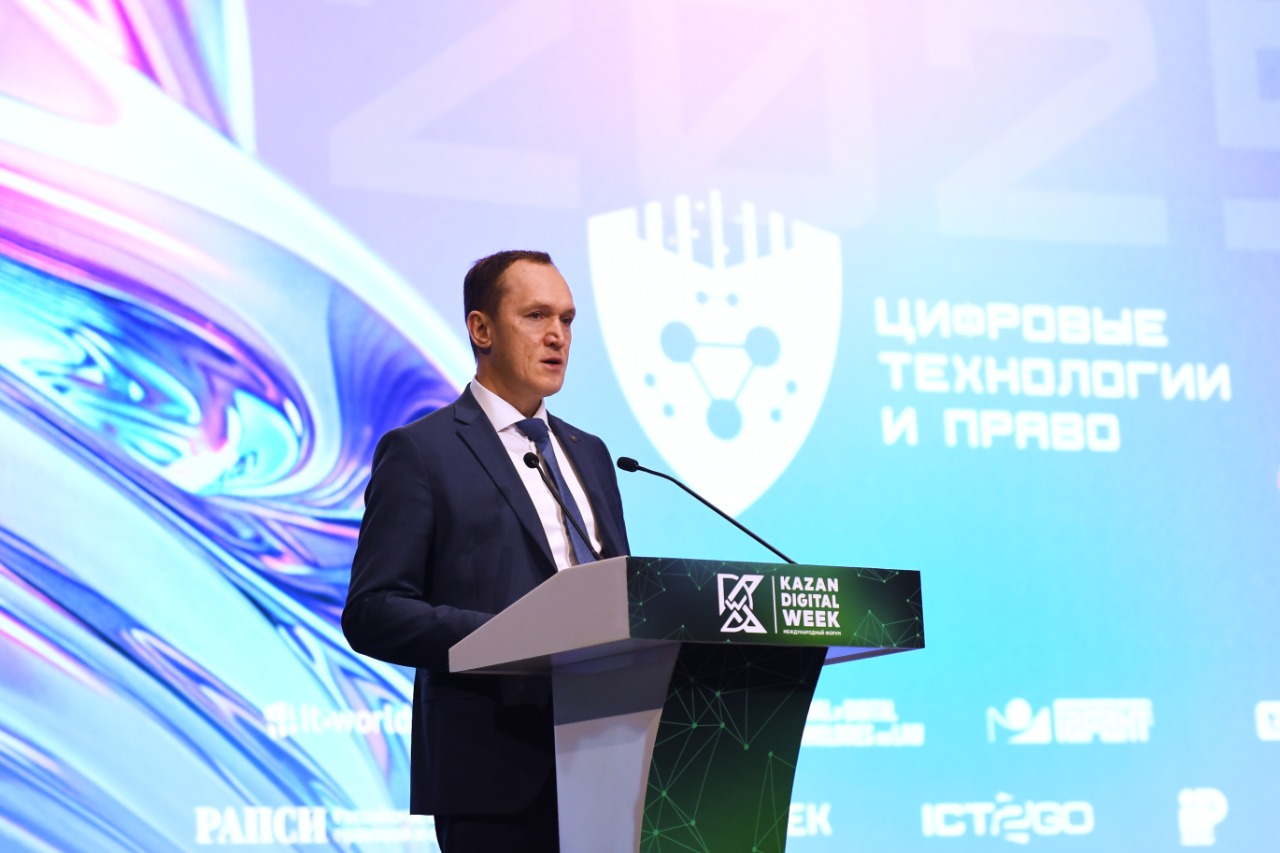
Albert Yakovlev, Deputy Minister of Digital Development of Public Administration, Information Technologies and Communications of the Republic of Tatarstan, addressed the participants with the following greeting: "Today, we have over 1,650 participants from 22 countries with us at this venue. Many of them have found an opportunity to be here with us in Kazan today. Delegations from Belarus, Kazakhstan, Uzbekistan, Kyrgyzstan, and others have arrived. Furthermore, we have live connections from China, Azerbaijan, Argentina, Armenia, Moldova, the Netherlands, Bulgaria, the Republic of the Congo, Hungary, Haiti, Egypt, Turkmenistan, Italy, the Philippines, and others. The Republic of Tatarstan holds a leading position in Russia in terms of digitalization, demonstrating impressive results in the development of digital technologies. The region is successfully implementing large-scale projects to introduce electronic document management, develop digital services for the public and businesses, and create an innovative ecosystem. Tatarstan has become a pioneer in many areas of digital transformation and serves as an example for other subjects of the Russian Federation. Legal science faces a task of exceptional complexity: not only to adapt existing legal instructions but also to create fundamentally new regulatory mechanisms capable of ensuring justice and the protection of human rights in the digital world. Only through dialogue between different legal traditions and schools can we develop effective approaches to regulating digital technologies, protecting personal data, ensuring cybersecurity, and legal sovereignty."
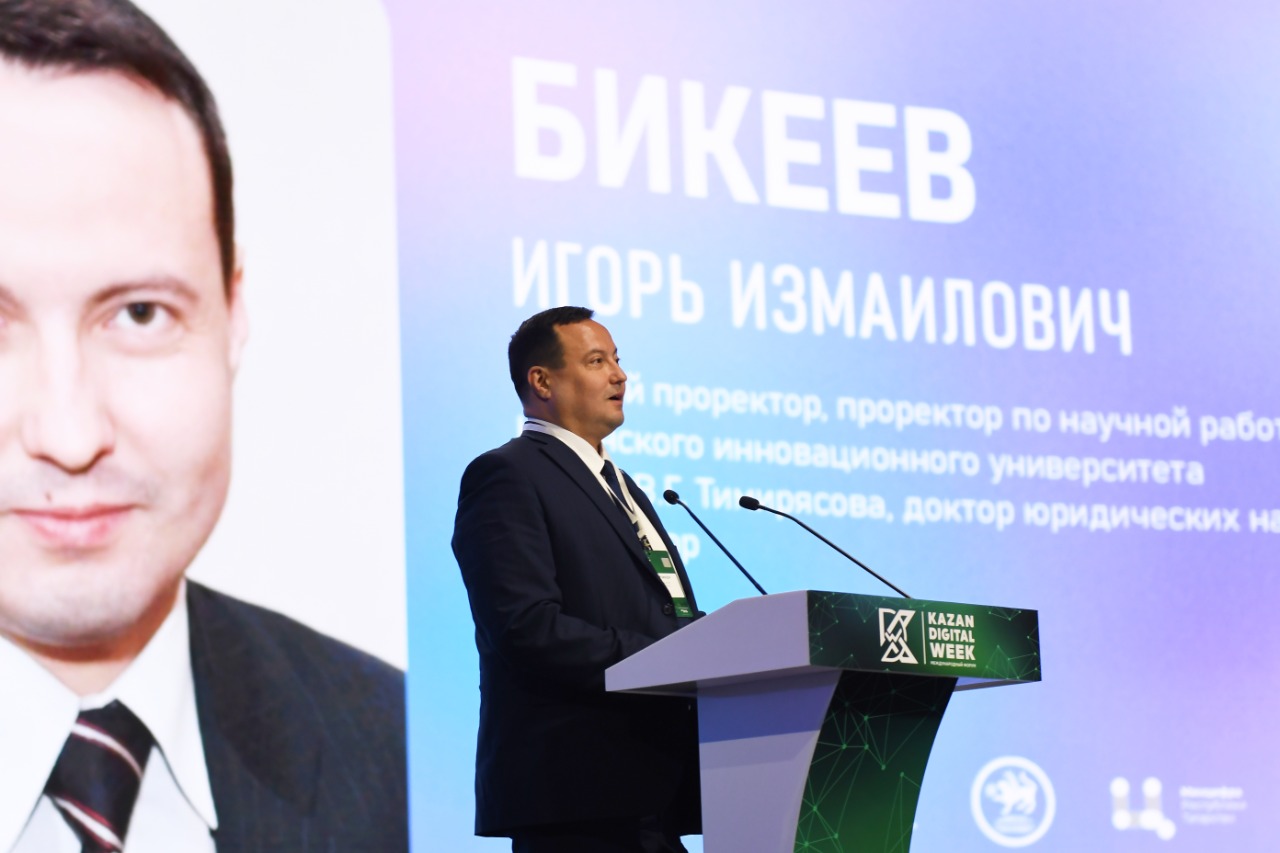
Igor Bikеev, First Vice-Rector, Vice-Rector for Scientific Work, Professor of the Department of Criminal Law and Procedure at the Kazan Innovative University named after V.G. Timiryasov, Doctor of Law, Professor, greeted the participants on behalf of KIU Rector Asiya Timiryasova. "By dealing with issues of legal regulation of digital technologies, we are doing a great thing," the Vice-Rector emphasized. "At Kazan Innovative University, we have been long and fruitfully engaged in research on the regulation of digital technologies. But most importantly, we, together with you, form a special community that is changing the digital world for the better, building a better future for humanity."
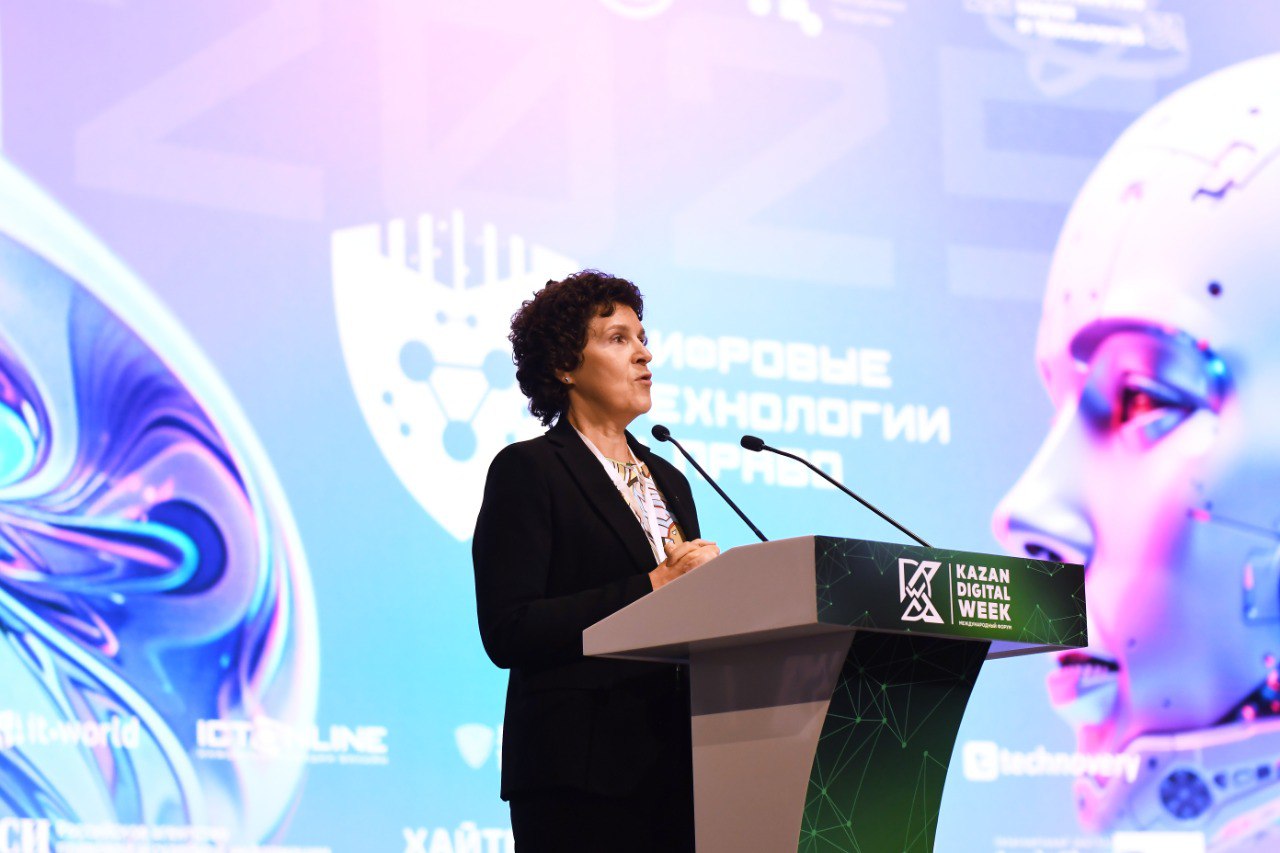
Natalia Tkachenko, Production Director of the "GARANT" company, Editor-in-Chief of the "Zakonodatelstvo" journal, addressed the participants with the following words: "Technological development has surpassed the most impossible expectations; today, technologies permeate our entire lives and are a completely natural phenomenon. Technology and law are two forces that define the future."
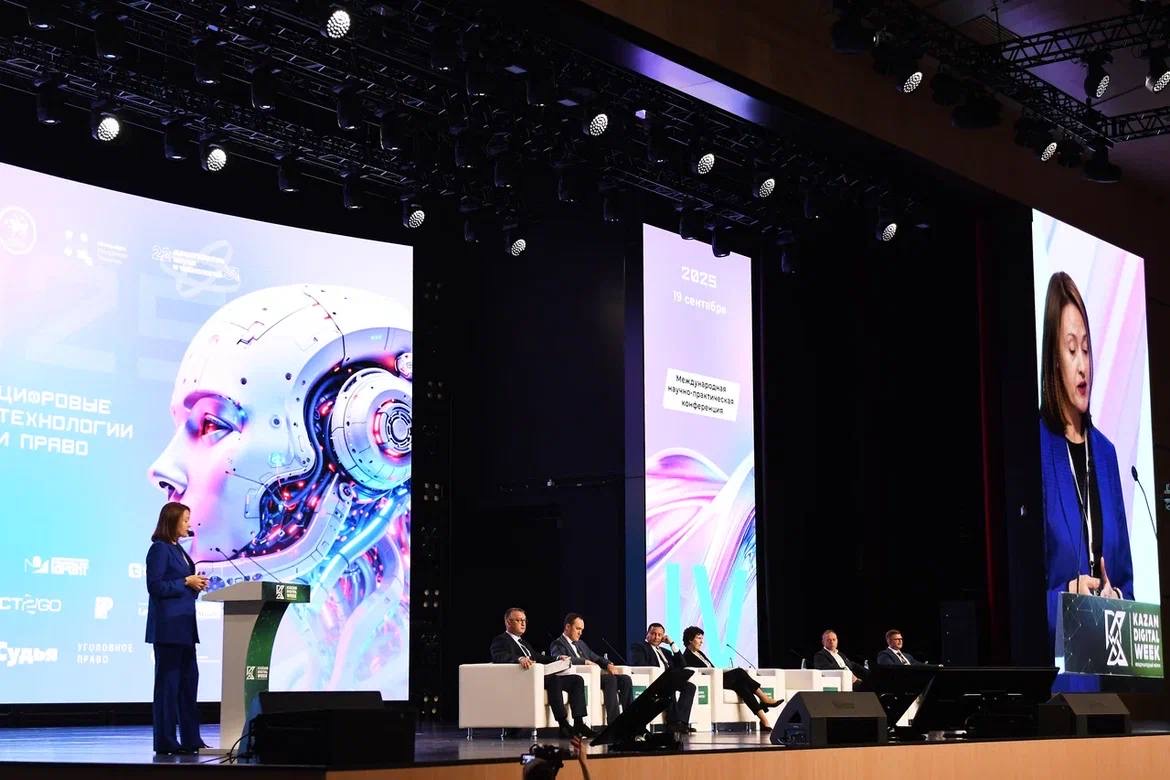
"The world around us is technological and rational, and technologies have already become part of the cultural order," noted Elena Povorova, Deputy Editor-in-Chief of the "Sudya" journal, Deputy Editor-in-Chief of the "Rossiyskaya Yustitsiya" journal, Candidate of Legal Sciences, in her welcoming speech. "Law is also part of culture. Large-scale forums like 'Kazan Digital Week' are designed, on the one hand, to demonstrate the advantages of an instrumental approach to technologies, and on the other hand, to address philosophical and existential legal questions."
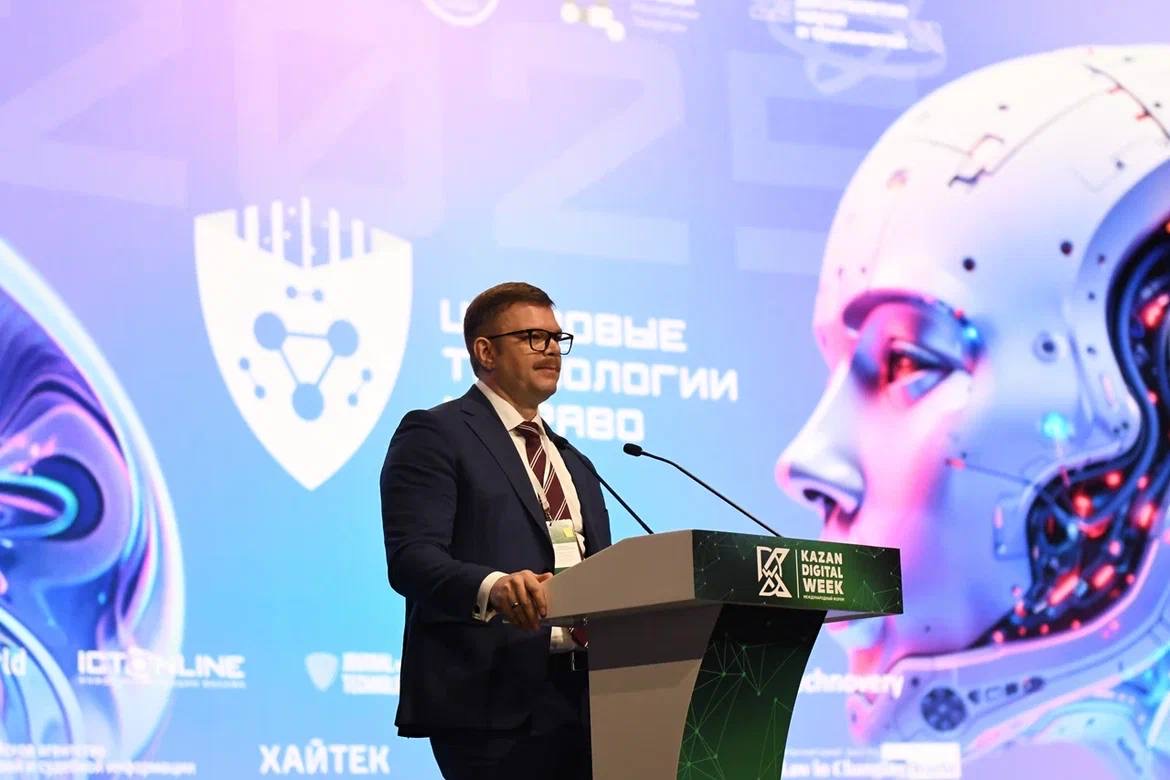
Andrey Mayorov, Professor of the Department of Criminal Law named after M.I. Kovalev at the Ural State Law University named after V.F. Yakovlev, Editor-in-Chief of the "Viktimologiya" journal, Doctor of Legal Sciences, Associate Professor: "Digital technologies contribute not only to the development of society but also to the creation of certain threats in terms of protecting potential victims of crime; therefore, we must anticipate certain risks of digitalization in society and be prepared for them."
Dmitry Kochetkov, Deputy General Director of the "Nauchnaya Elektronnaya Biblioteka eLIBRARY.RU" company, Candidate of Economic Sciences, made the following important remark about the future: "Artificial intelligence will not replace natural intelligence, but people using artificial intelligence will definitely replace those who do not use it."
The conference program included a plenary session and numerous sectional meetings, featuring leading legal scholars, practicing lawyers, government representatives, and representatives of the real sector of the economy. Special attention was paid to young researchers – undergraduate and graduate students, as well as non-legal specialists.
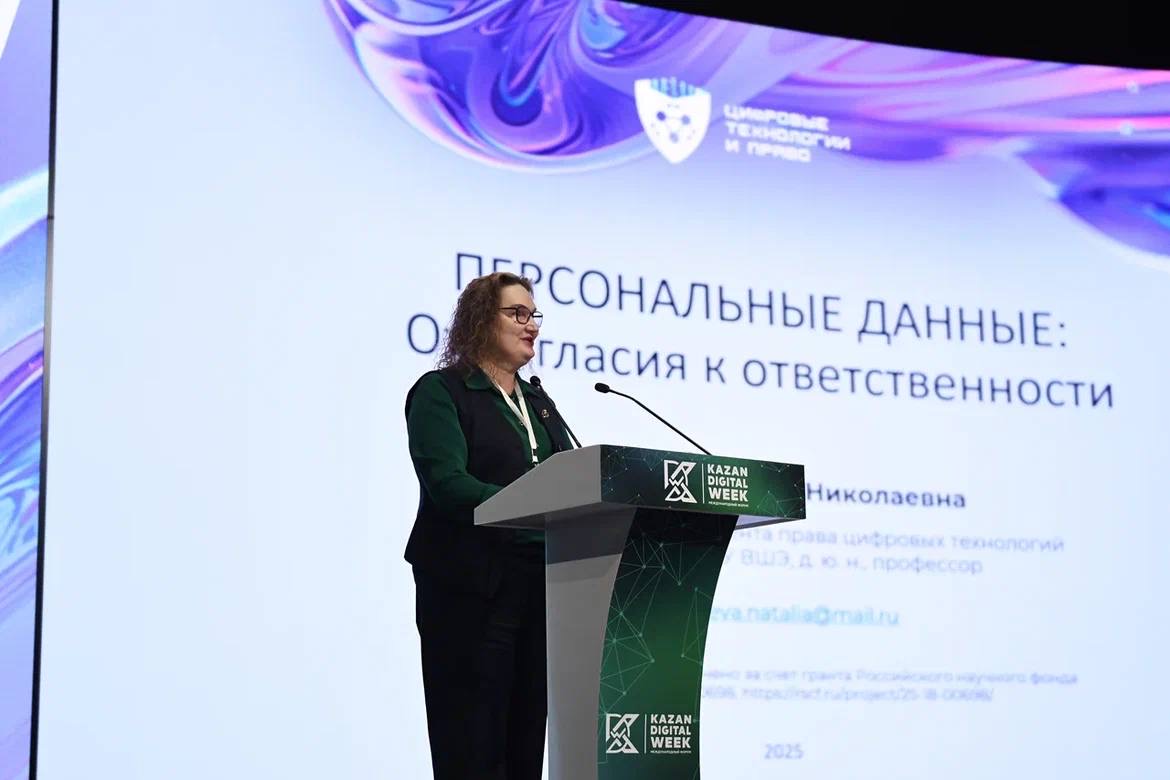
At the plenary session, key reports were presented by leading experts in digital law, including:
* Natalia Kovaleva – Doctor of Legal Sciences, Professor, Head of the Department of Digital Technology Law and Bio-Law at the Faculty of Law of the National Research University "Higher School of Economics" (Moscow, Russia) "FROM CONSENT TO RESPONSIBILITY: THE EVOLUTION OF LEGAL MODELS FOR PERSONAL DATA CIRCULATION IN THE CONDITIONS OF THE DIGITAL ECONOMY"
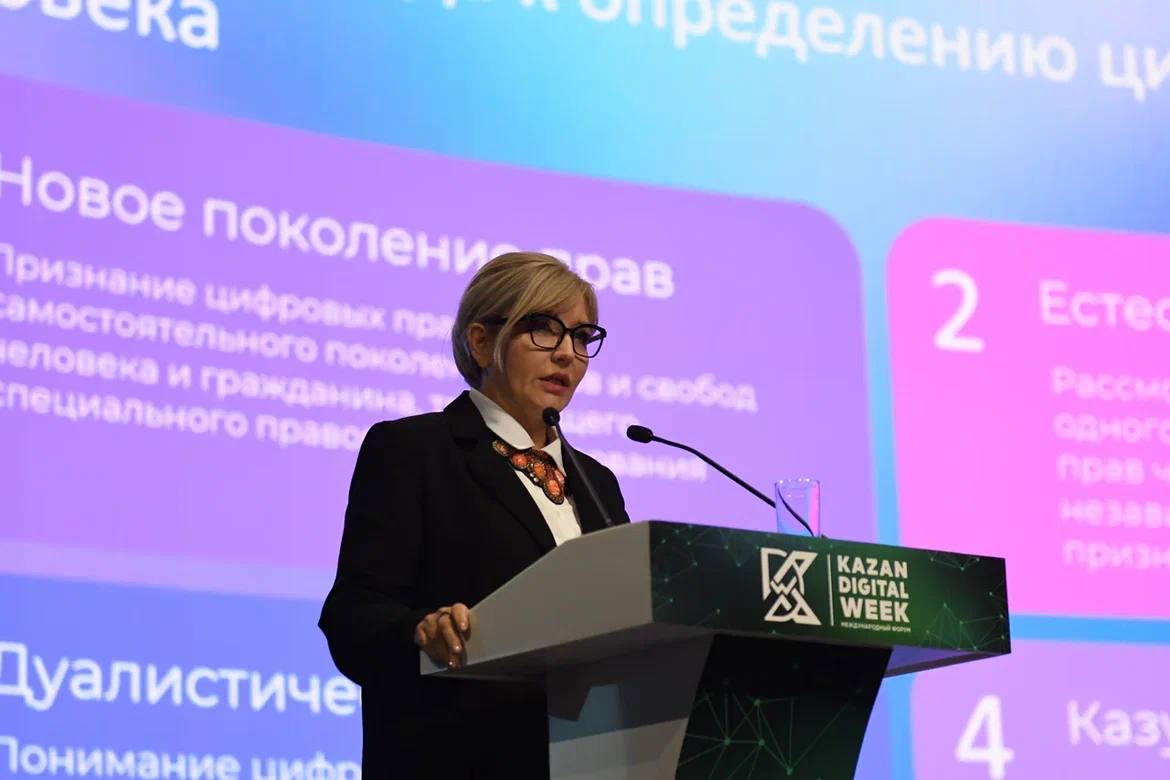
* Elina Sidorenko – Doctor of Legal Sciences, Co-chair of the Working Group on the Protection of Human Rights in the Digital Space of the Council under the President of the Russian Federation for the Development of Civil Society and Human Rights, Professor at the Department of Criminal Law, Criminal Procedure and Criminology of the Moscow State Institute of International Relations of the Ministry of Foreign Affairs of the Russian Federation, General Director of the Autonomous Non-Profit Organization "White Internet" (Moscow, Russia) "DIGITAL HUMAN RIGHTS: A NEW REALITY AND A CHALLENGE FOR LAW"
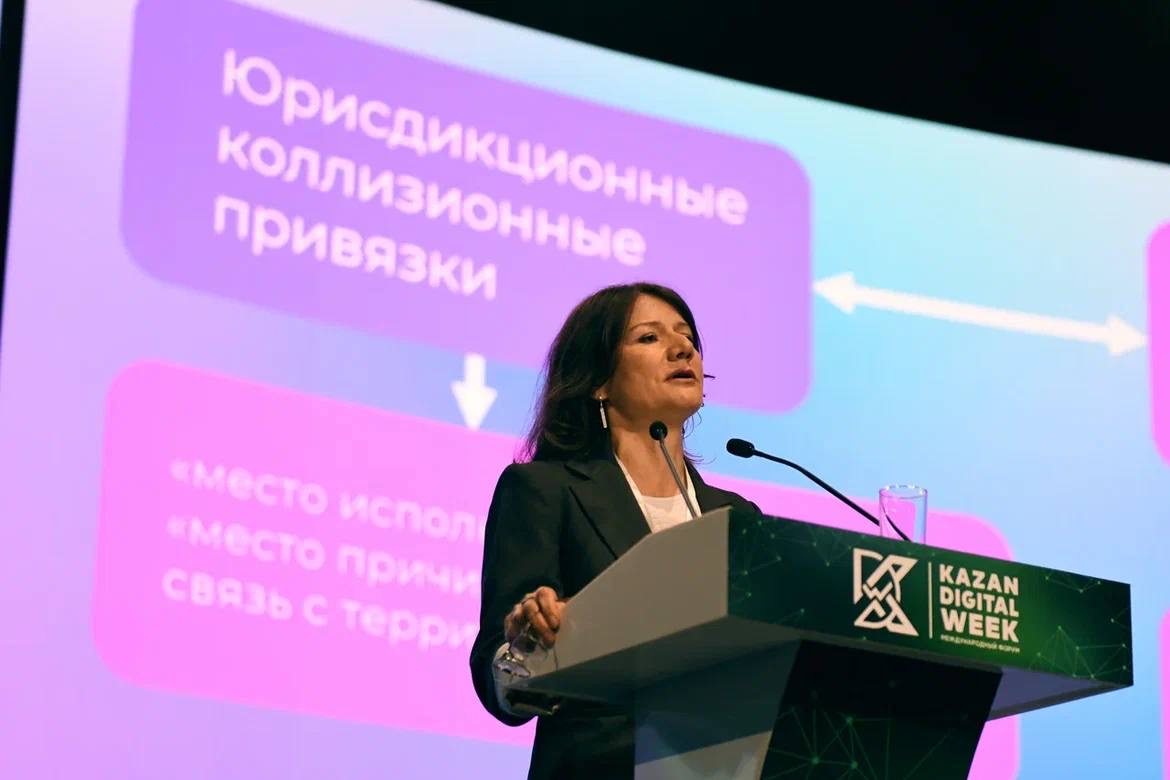
* Lyudmila Terentyeva – Doctor of Legal Sciences, Associate Professor, Professor at the Department of International Private Law of the Moscow State Law University named after O.E. Kutafin (Moscow, Russia) "THE SPATIAL PARADIGM OF JURISDICTION IN THE DIGITAL AGE"
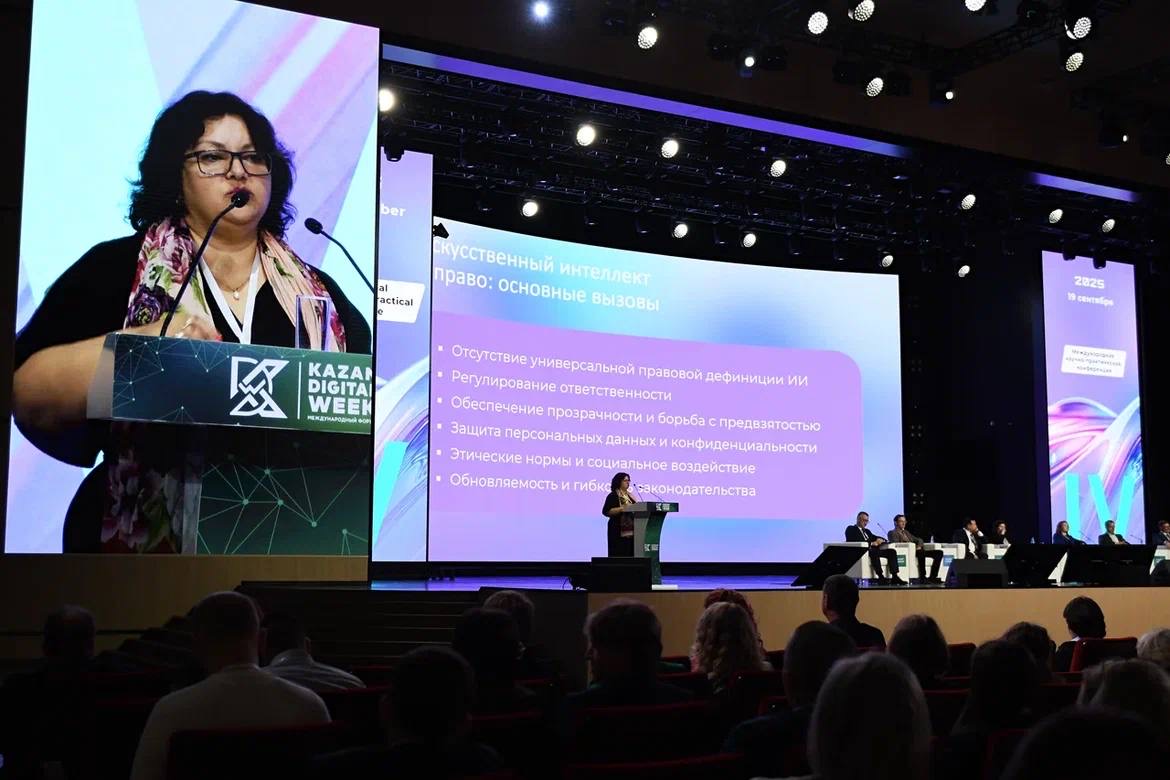
* Yulia Kharitonova – Doctor of Legal Sciences, Professor, Head of the Research and Education Center "Center for Legal Research of Artificial Intelligence and the Digital Economy", Professor at the Department of Business Law of Moscow State University named after M.V. Lomonosov (Moscow, Russia) "ARTIFICIAL INTELLIGENCE – FROM STRATEGIZING TO LAW."
The work of the sections covered an extremely wide range of issues: from the impact of digitalization on the theoretical foundations of law and international relations to narrow-sectoral and multidisciplinary aspects.
The basic sections covered the influence of digital technologies on all branches of law: from theoretical-historical and public law sciences to private, criminal, and international law. We separately note sections such as "Digital Technologies in the System of International Legal Relations," "Digital Technologies and Law" (section in English), and "Multidisciplinary Aspects of Digital Transformation" (non-legal section).
Special sections focused on the most trending areas of digital technology and legal knowledge: regulation of AI and robotics, digital security, quantum and medical technologies, law of intelligent transport systems, and even Digital Family Law.
Partner sections from leading companies and universities delved into applied aspects: evaluation of legal texts in the era of LLM (from "GARANT"), law of digital platforms (from MGIMO and ANO "White Internet"), digital identifiers (from the Coordination Center .RU/.RF), digital forensics (from CrimLib), and others.
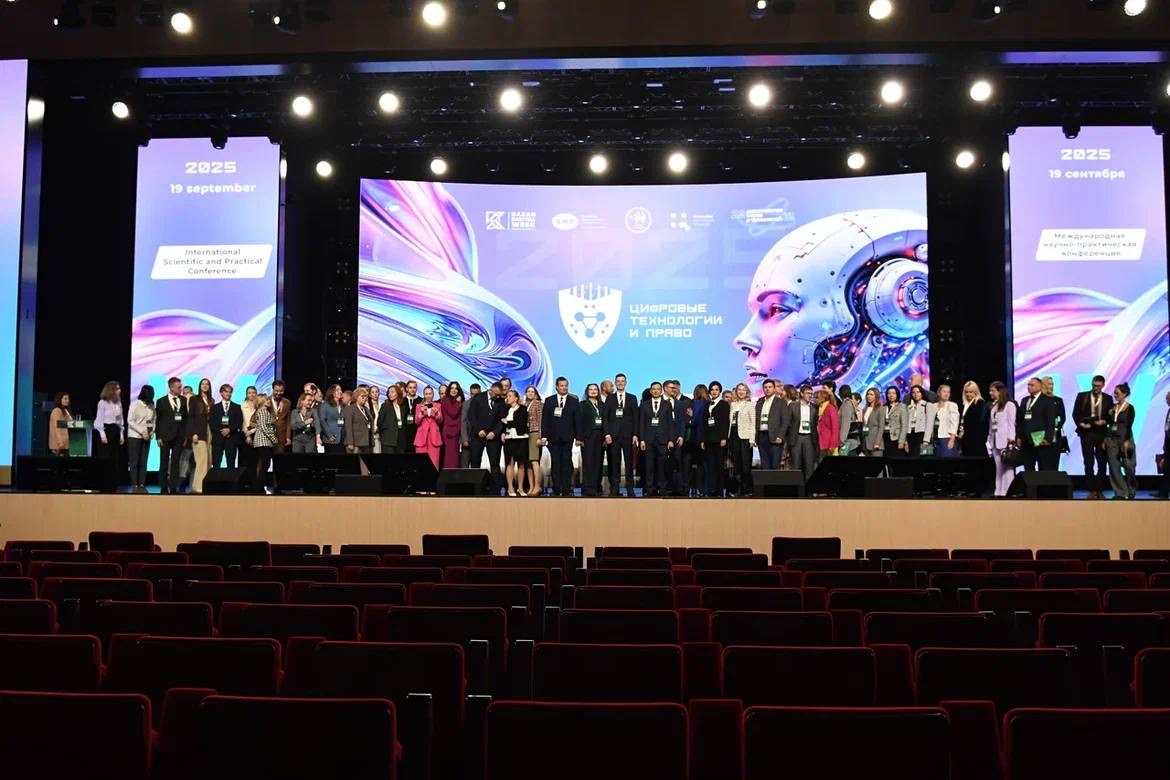
A key outcome of the conference was the strengthening of KIU's position as a center of attraction for the legal community. As part of the event, the university signed a series of strategic cooperation agreements with the editorial boards of leading domestic legal scientific journals. On behalf of KIU, the documents were signed by Vice-Rector for Economics and Strategic Development Liliya Vorontsova.
The university's new partners include:
* The journal "Zakonodatelstvo" (Editor-in-Chief – N.V. Tkachenko);
* The journal "Rossiyskaya Yustitsiya" (Deputy Editor-in-Chief – E.A. Povorova);
* The journal "Sudya" (Deputy Editor-in-Chief – E.A. Povorova);
* The journal "Viktimologiya" (Editor-in-Chief – A.V. Mayorov).
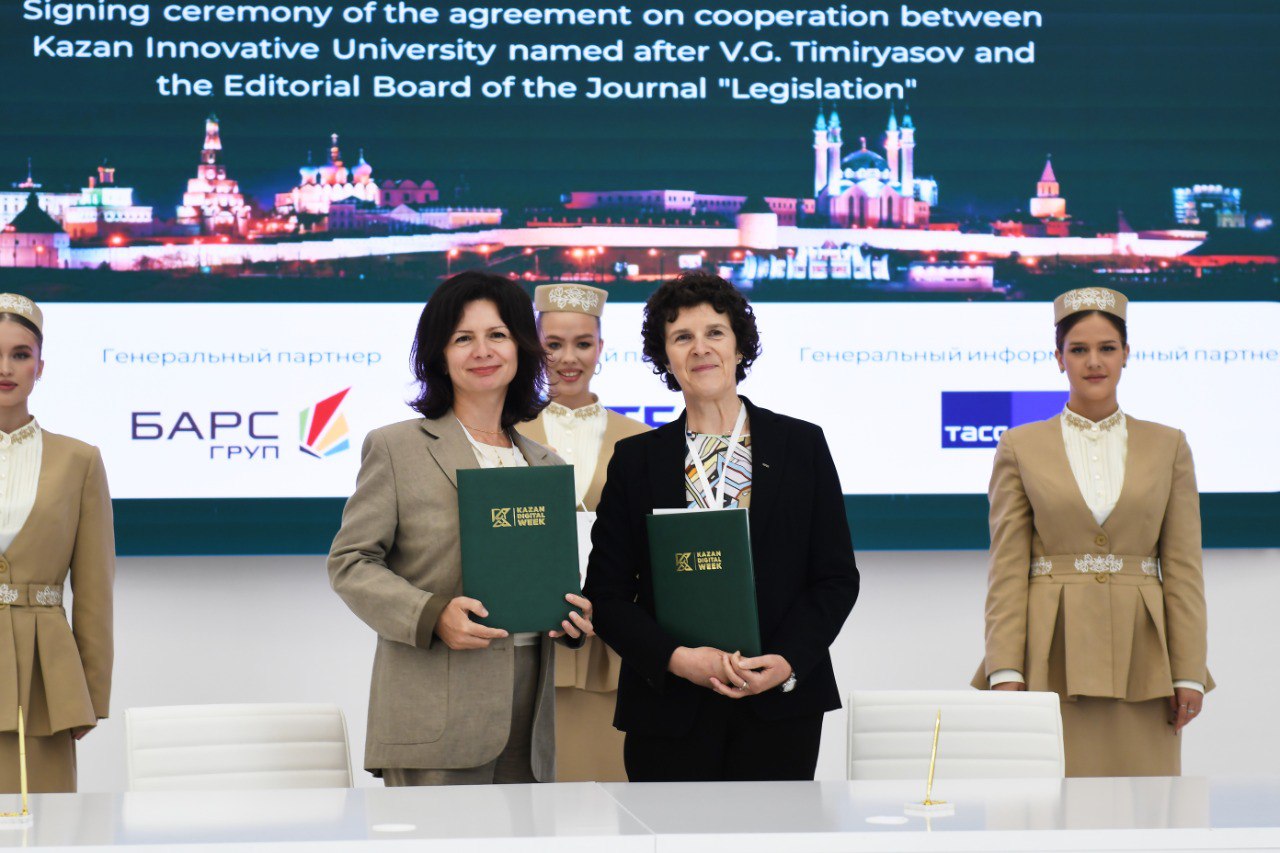
These agreements open up broad opportunities for KIU researchers to publish in leading peer-reviewed publications and mark the beginning of a new stage of interaction between the academic environment and scientific and journalistic platforms. The joint work will be aimed at developing research activities, holding events, and publishing relevant works at the intersection of law and digital technologies.
This grand event clearly demonstrated that digital transformation requires deep understanding and adequate legal response. The "Digital Technologies and Law" conference has become a unique platform for dialogue between science, practice, business, and the state, setting the vectors for the development of the legal field for years to come.

ПОДЕЛИТЬСЯ


 ПРЕД
СЛЕД
ПРЕД
СЛЕД