Personal Area

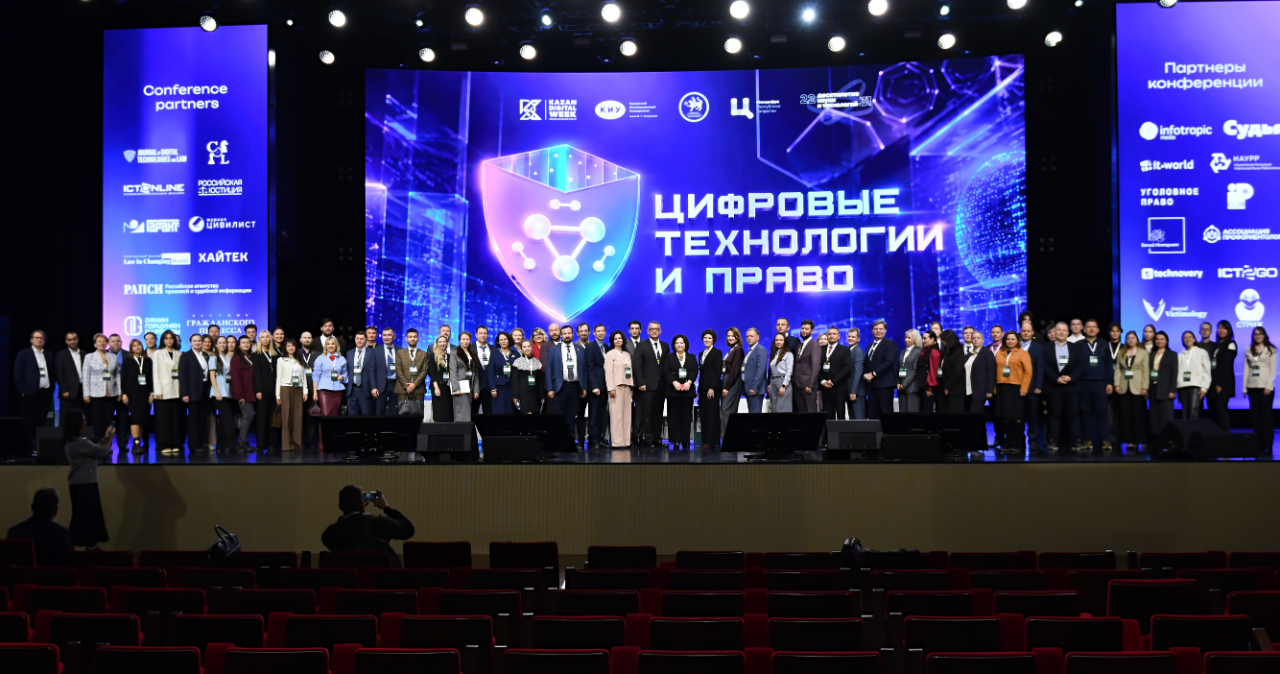
The 5th Anniversary International Scientific and Practical Conference "Digital Technologies and Law" has successfully opened in Kazan
The conference is held as part of the Kazan Digital Week 2026 international forum, with the support of the Ministry of Digital Development, Communications and Mass Media of the Russian Federation and the Government of the Republic of Tatarstan.
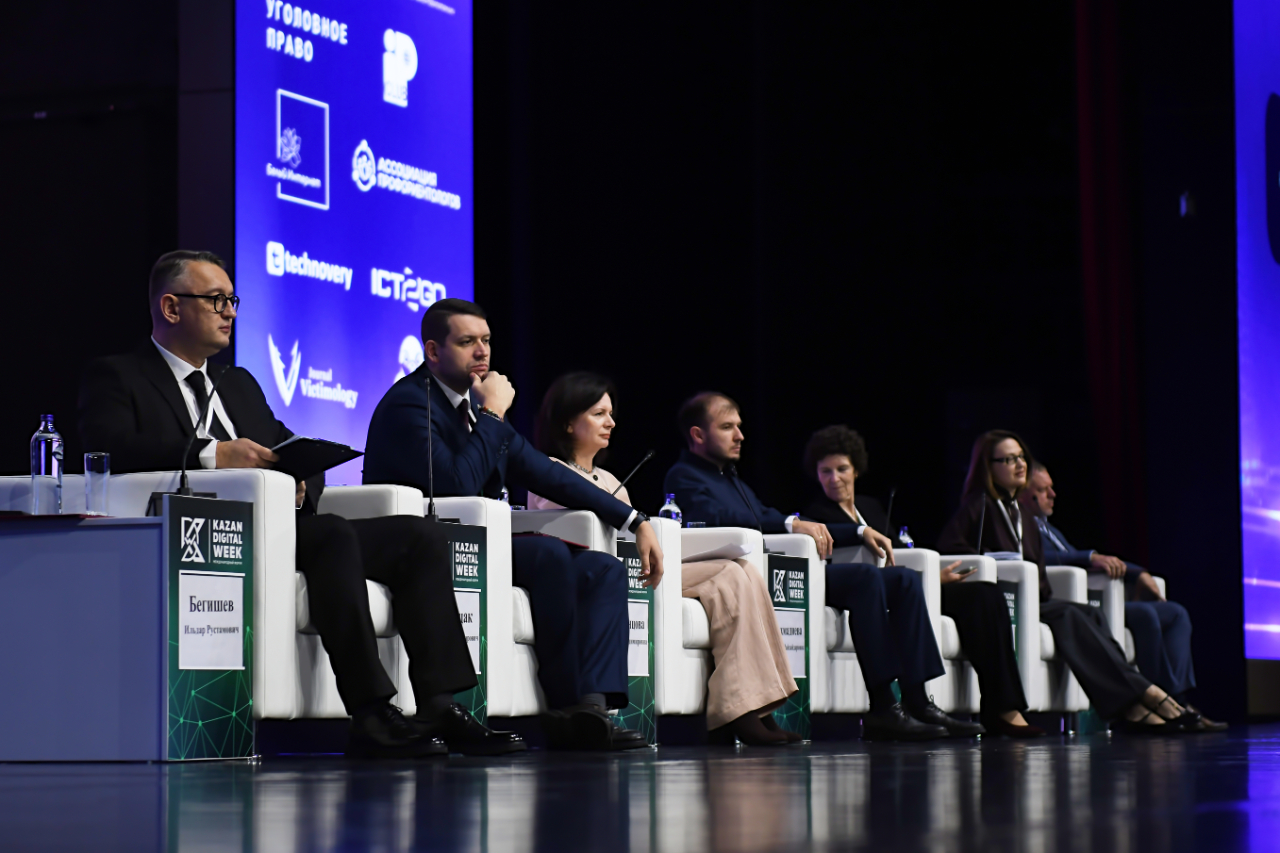
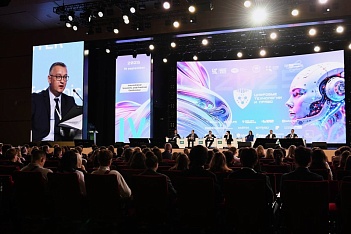
.As part of the Kazan Digital Week 2026 international forum, a plenary session of the 5th International Scientific and Practical Conference, "Digital Technologies and Law," was held at the Kazan Expo International Exhibition Center. The event brought together scholars, legal practitioners, government representatives, and experts for whom the issues surrounding the digital transformation of law are of particular significance today.
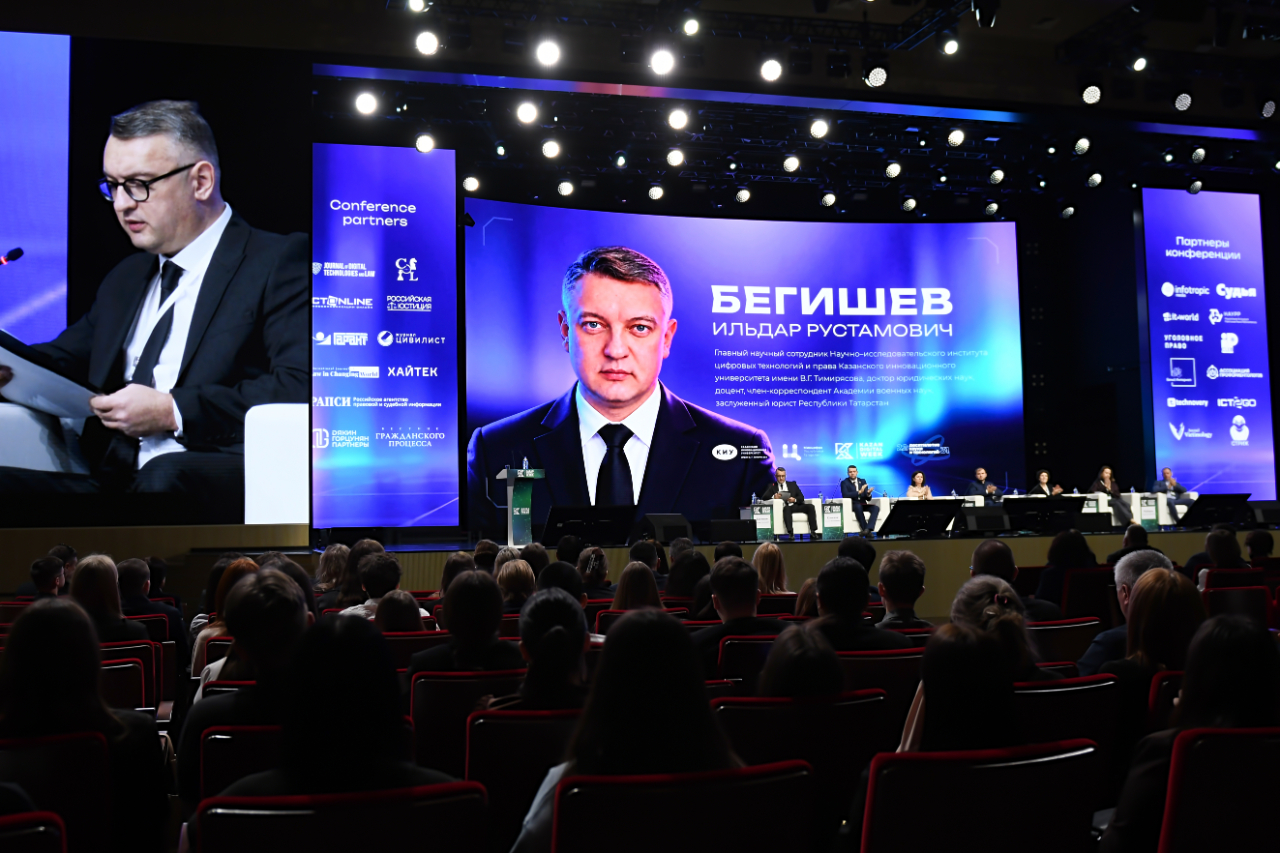
The session was opened by the moderator, Ildar Rustamovich Begishev—Doctor of Law, Associate Professor, Corresponding Member of the Academy of Military Sciences, Honored Jurist of the Republic of Tatarstan, and Chief Research Fellow at the Research Institute of Digital Technologies and Law at the V.G. Timiryasov Kazan Innovative University. Welcoming the conference participants, he suggested beginning the session with a video showcasing previous conferences and emphasized that the forum has established itself as a vital platform for professional and academic discourse. In his opening remarks, he noted that digital technologies are rapidly reshaping the legal landscape, creating both new opportunities and new challenges that necessitate a rethinking of traditional legal institutions and an update to the regulatory framework.
 T
The conference organizers were represented by the V. G. Timiryasov Kazan Innovative University, the Ministry of Digital Development, Public Administration, Information Technologies and Communications of the Republic of Tatarstan, and the Department of Socio-Economic Sciences of the Academy of Sciences of the Republic of Tatarstan. Special emphasis was placed on the significance of Kazan as one of Russia’s oldest and most beautiful cities, as well as on the role of the Republic of Tatarstan as a national leader in digital transformation.
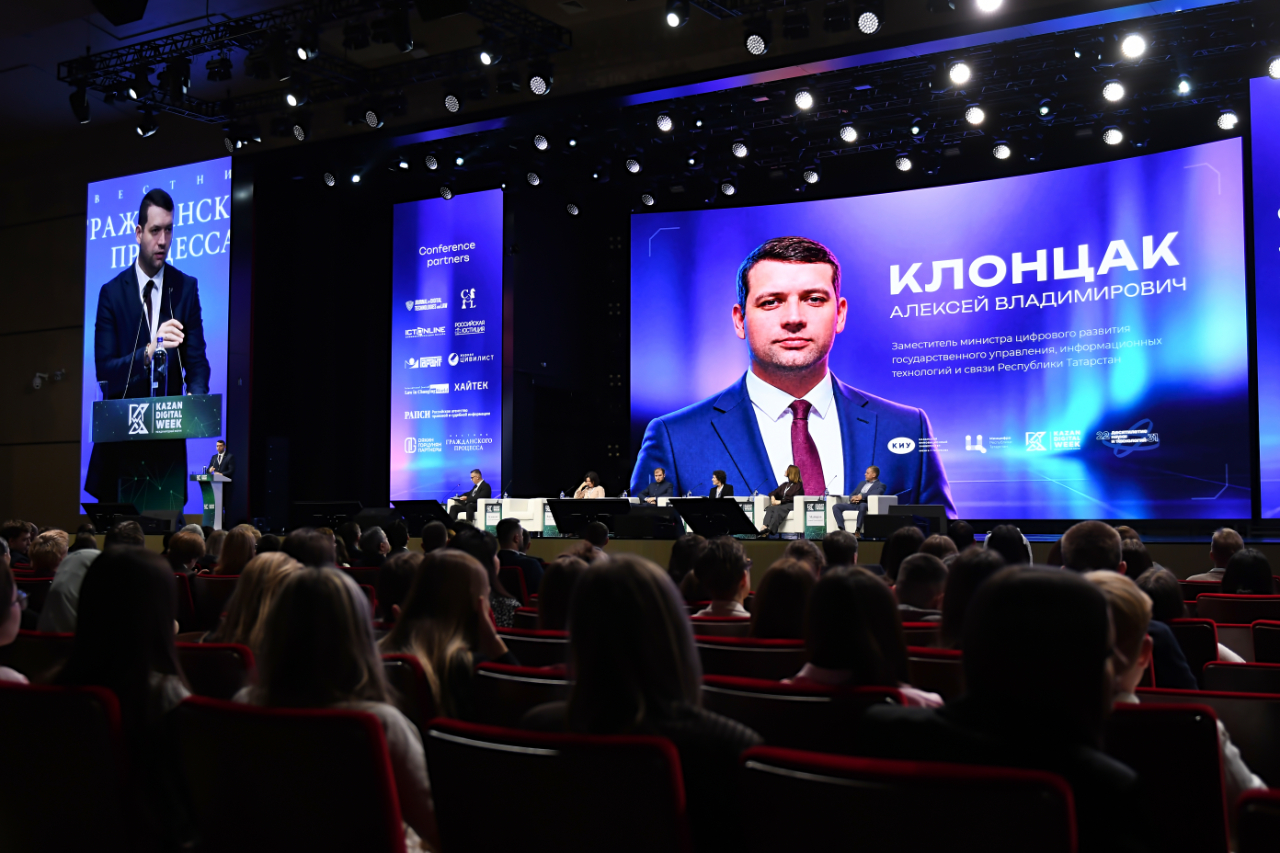
Alexey Vladimirovich Klontsak, Deputy Minister of Digital Development of Public Administration, Information Technologies and Communications of the Republic of Tatarstan, delivered welcoming remarks to the participants. In response, the Ministry was commended for its support of the conference, and the importance of close collaboration between the scientific community and public authorities when discussing the digital agenda was highlighted.
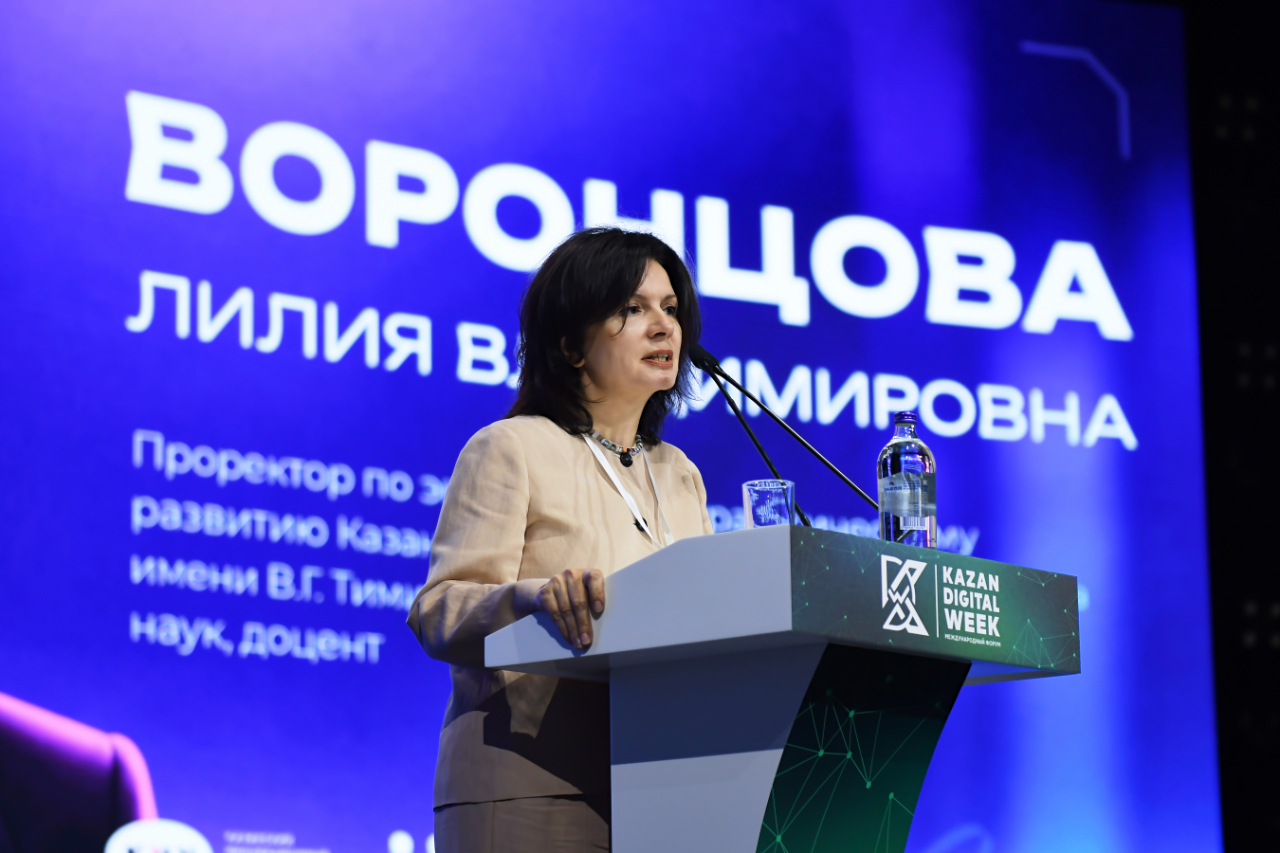
Next, the floor was given to Liliya Vladimirovna Vorontsova, Vice-Rector for Economics and Strategic Development at the V. G. Timiryasov Kazan Innovative University. Her remarks highlighted the university’s significance as one of the key organizers of the conference, as well as its contribution to the advancement of legal research in the field of digital technologies.
The next part of the program featured welcoming remarks from Roza Shaikhaidarovna Akhmadieva, Academician-Secretary of the Department of Social and Economic Sciences at the Academy of Sciences of the Republic of Tatarstan. It was noted that the support provided by the Academy of Sciences fosters the development of the region’s research potential and enables the hosting of an international-level conference.
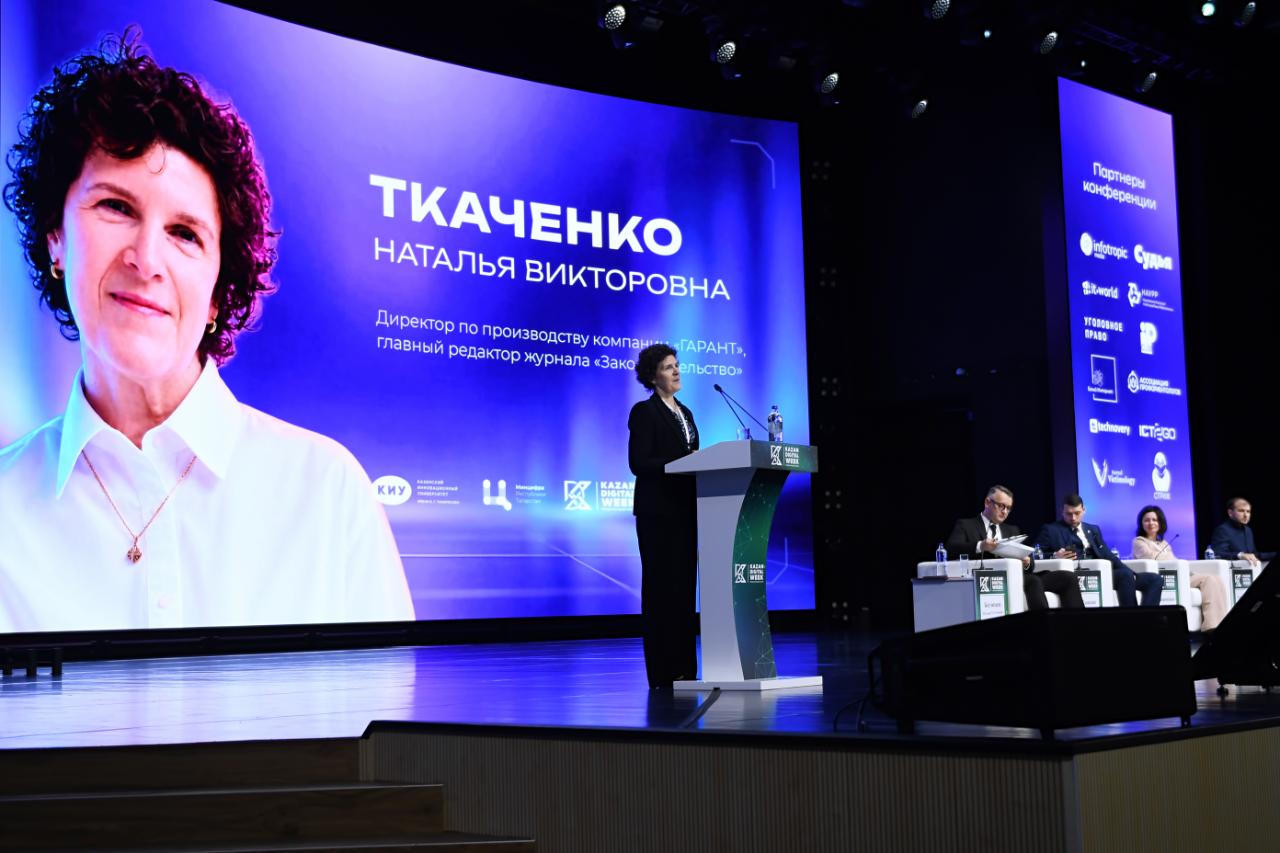
Special emphasis was placed on the role of the conference’s strategic partner, the company "Garant," which provides legal and informational support for contemporary legal practice. Welcoming remarks were delivered by Natalia Viktorovna Tkachenko—Production Director at "Garant" (the conference’s strategic partner) and Editor-in-Chief of the academic journal *Zakonodatelstvo* ("Legislation").
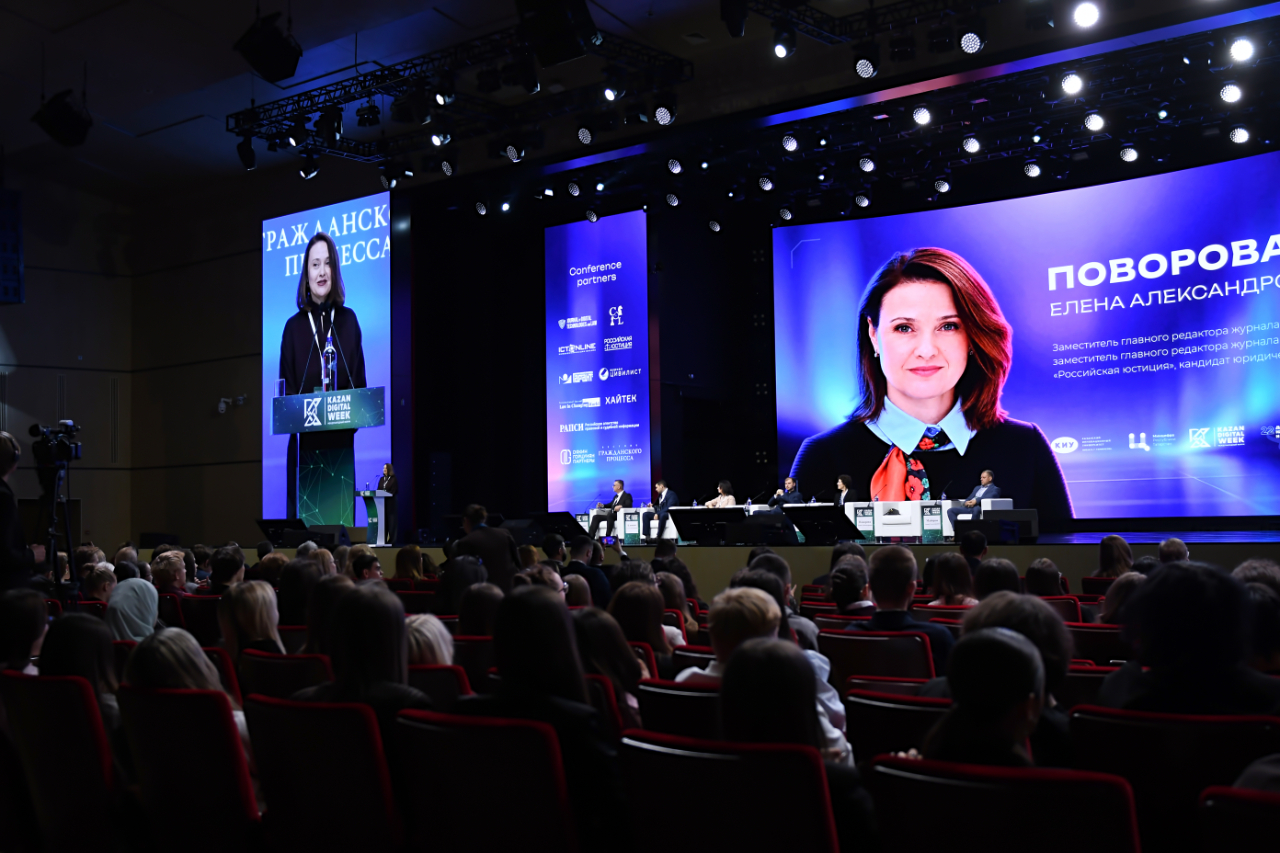
An important part of the plenary session featured welcoming remarks from invited guests: Elena Alexandrovna Povorova, Deputy Editor-in-Chief of the journals *Sudya* (The Judge) and *Rossiyskaya Yustitsiya* (Russian Justice) and a Candidate of Legal Sciences; and Andrey Vladimirovich Mayorov, Doctor of Legal Sciences, Associate Professor, and Editor-in-Chief of the journal *Viktimologiya* (Victimology). Their addresses underscored the significance of academic publications in fostering professional dialogue and strengthening the interaction between the legal community and the publishing sector. They are also serving as moderators for the partner-led sessions.
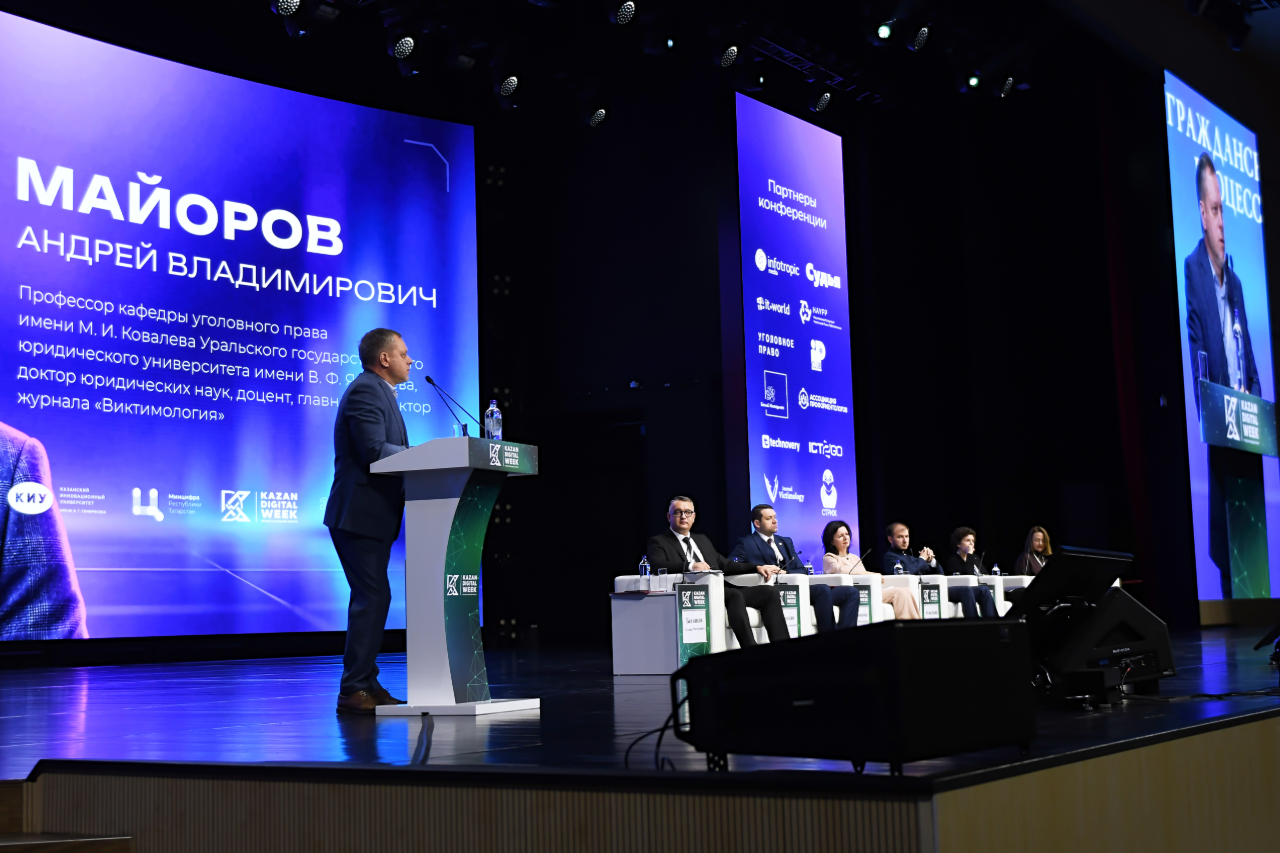
Following the conclusion of the formal proceedings, Ildar Rustamovich Begishev announced the transition to the scientific presentations. It was emphasized that the time allotted for each presentation was strictly limited, and that the subsequent discussion should be as substantive and focused as possible.
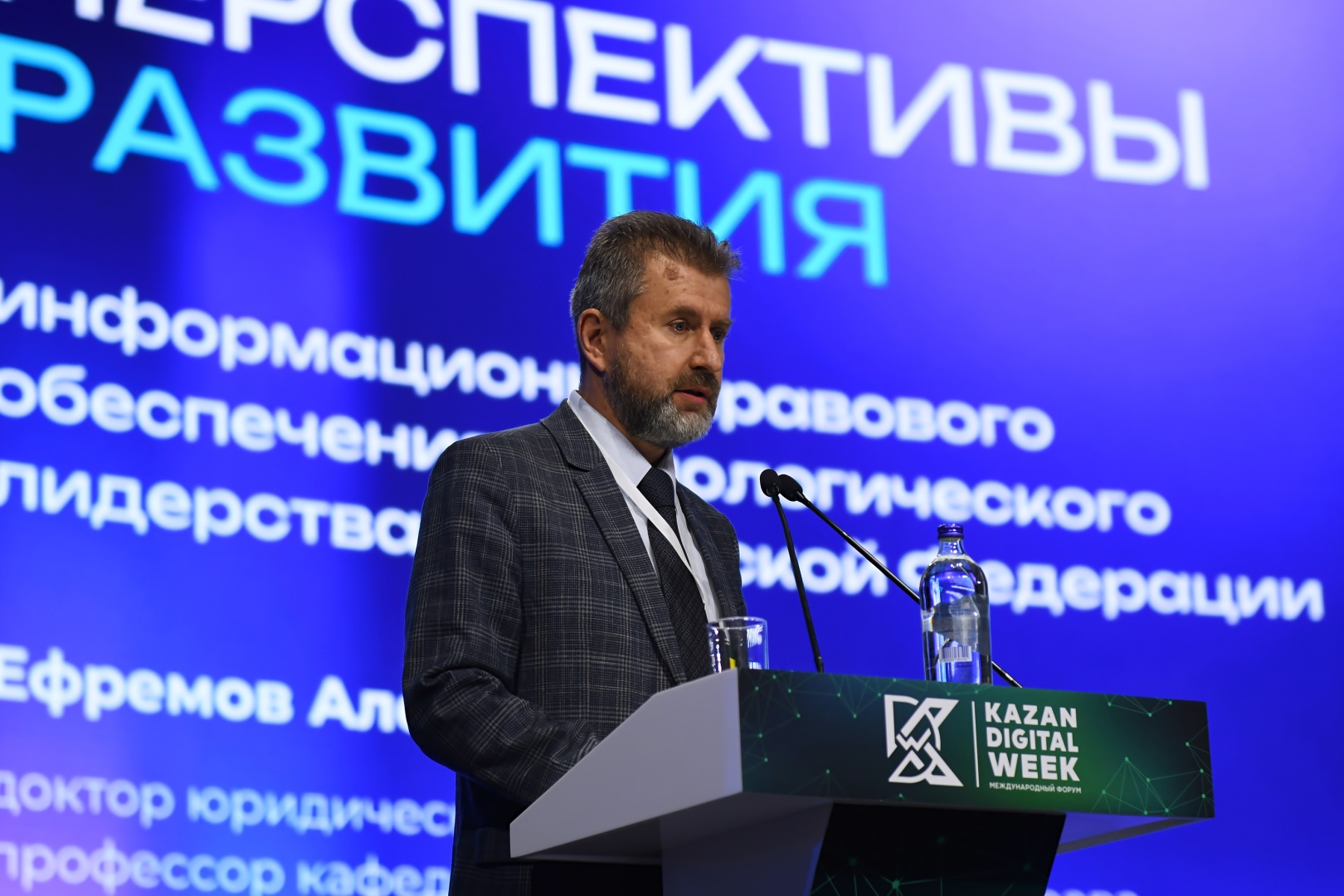
The first speaker was Alexey Alexandrovich Efremov, Doctor of Legal Sciences, Associate Professor, and Professor at the Department of Information Law and Digital Technologies at the Kutafin Moscow State Law University. His presentation was titled "Prospects for Developing the Information-Legal Framework for the Russian Federation’s Technological Leadership." He addressed the role of information-legal mechanisms in supporting the state’s technological development.
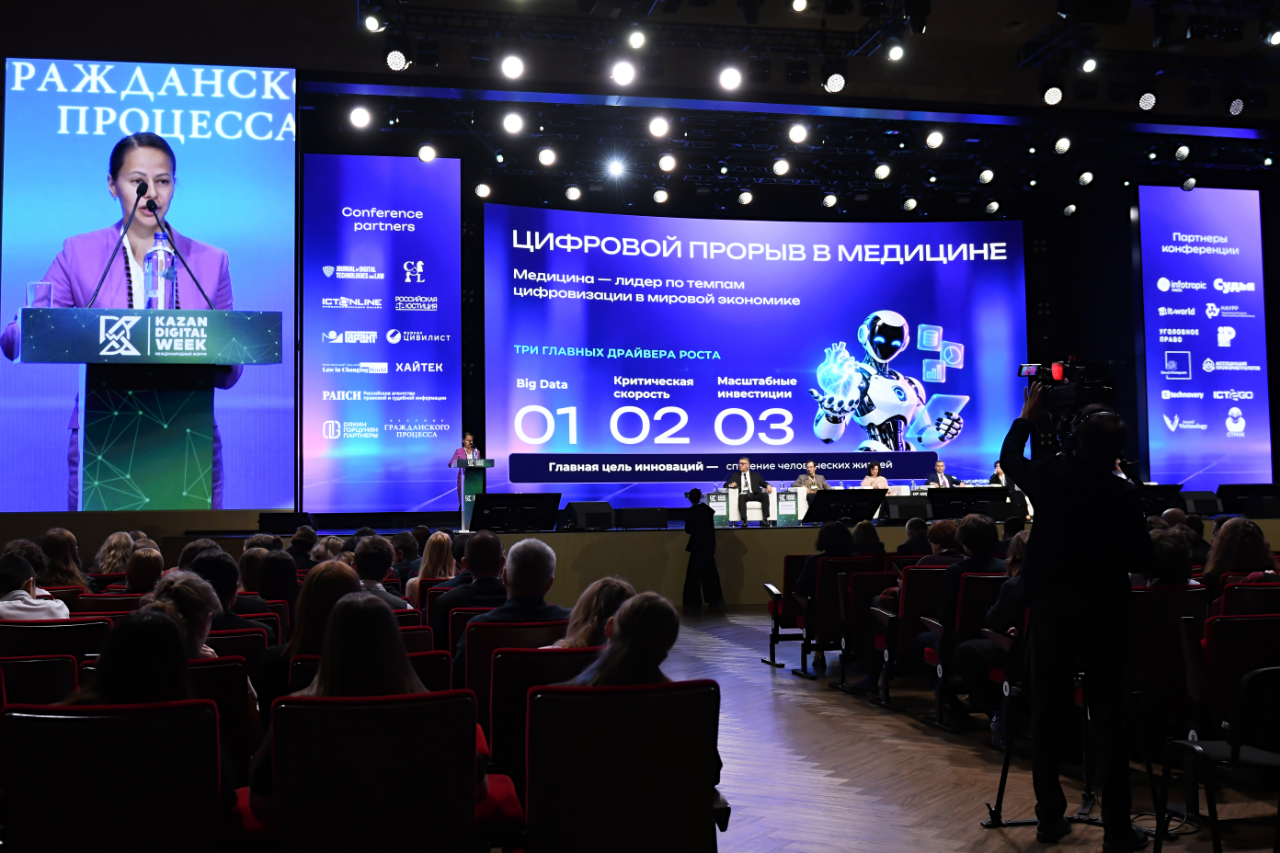
Next, a presentation was delivered by Albina Alexandrovna Shutova, Candidate of Legal Sciences and Senior Research Fellow at the Research Institute of Digital Technologies and Law of the Kazan Innovative University named after V.G. Timiryasov. Her talk focused on the criminogenic risks associated with the development and application of digital technologies in medicine. It was noted that the digitalization of healthcare requires not only scientific support but also robust legal protection against potential threats.
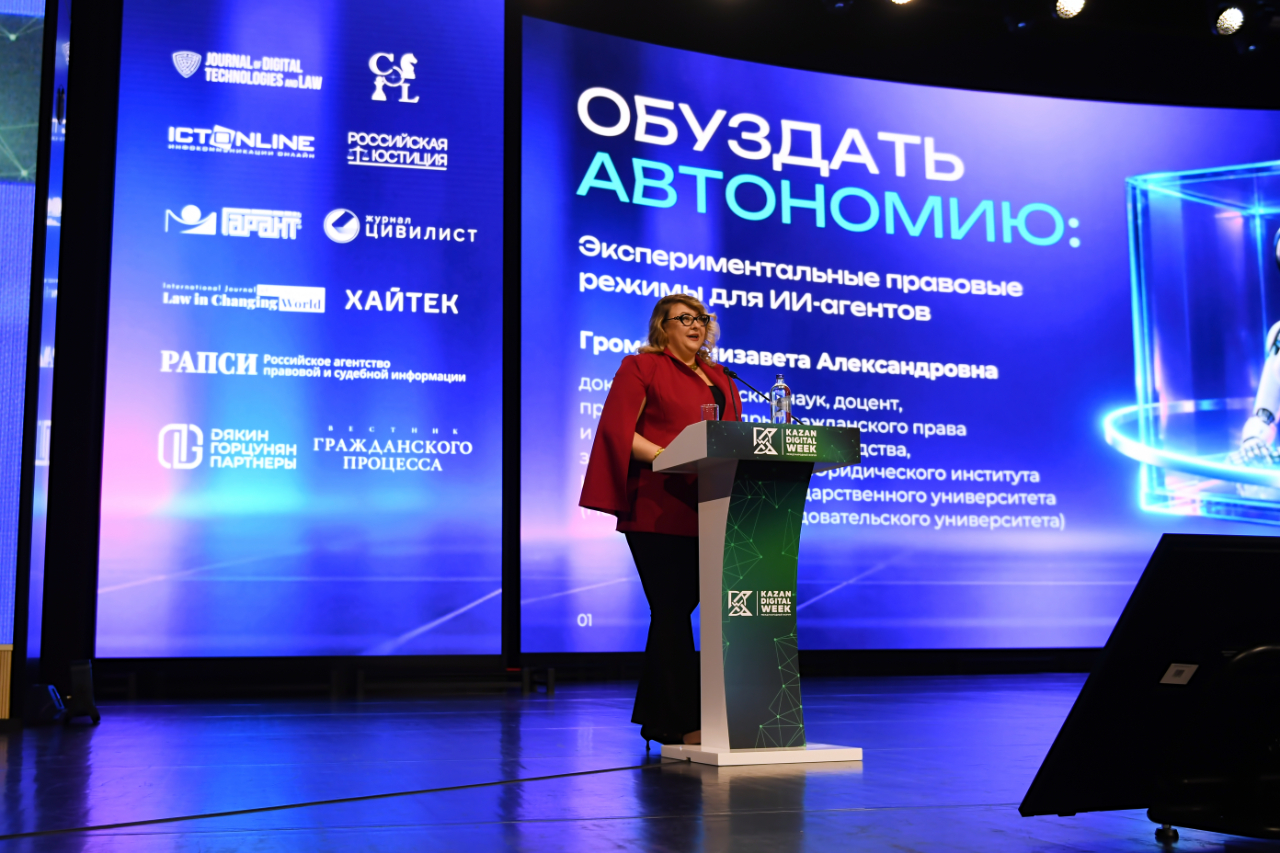
The plenary session concluded with a presentation by Elizaveta Alexandrovna Gromova, Professor in the Department of Civil Law and Civil Procedure and Deputy Director for International Affairs at the Law Institute of South Ural State University. Her talk focused on experimental legal regimes for AI agents and mechanisms for the controlled development of autonomous systems. The presentation sparked keen interest, both from the perspective of legal theory and in the context of the practical regulation of artificial intelligence.
Following the plenary presentations, Ildar Rustamovich Begishev noted that the V. G. Timiryasov Kazan Innovative University possesses significant research potential in the field of digital transformation and its legal regulation. The university is home to the Research Institute of Digital Technologies and Law, as well as the academic journal *Journal of Digital Technologies and Law*.
Over its four years of existence, the *Journal of Digital Technologies and Law* has established itself as a reputable international publication, featuring work by scholars from 42 countries across 6 continents. Indexed in the Scopus database and holding a leading position in the Russian Science Citation Index (RSCI), the journal serves as a vital platform for the exchange of research in the realm of digital technologies and law.
In closing, the moderator summarized the plenary session, emphasizing that the issues raised by the speakers set a high academic standard for the remainder of the conference. He announced that proceedings would continue across 19 thematic breakout sessions, comprising core, specialized, and partner-led tracks. These sessions were scheduled to take place on the second floor of the Kazan Expo center from 14:00 to 18:00. The conference program is available on the websites of the international forum and the conference itself, as well as via the journal’s "MAX" channel; meanwhile, broadcasts of both the plenary and breakout sessions are accessible on the VKontakte social network and the international forum’s website.
The plenary session concluded with wishes for the participants to have a productive experience, engaging discussions, and new professional contacts.