Personal Area
XV International Forum on Inclusive Education: A Day of Practice, Creativity, and Scientific Inquiry
On March 12th, the work of the XV International Forum "The Succession System of Inclusive Education" reached a fundamentally new level – participants moved from strategic reports to an in-depth exploration of specific technologies, methods, and case studies. The day was divided between two key venues: an innovative award-winning school and a university laboratory.
A Word to Practitioners
The second day of the forum traditionally began at the Municipal Budgetary Educational Institution "Lyceum No. 78 'Farvater'" – an educational institution recognized in 2025 as the "Best Inclusive School in Russia." This is no coincidence: it is here that the theory of inclusion takes on flesh and blood, and the educational process is structured so that children with special needs and their typically developing peers not only study side-by-side but grow and create together.
The program at the lyceum venue was opened by the director, Alfiya Urmancheeva, with a report titled "Inclusive School: Conditions for Effectiveness." She emphasized that the status of the best school in the country is not just an award, but a huge responsibility and the result of systematic work by the entire staff, where every teacher possesses inclusive competencies, and the environment becomes truly accessible and welcoming.
The attendees were greeted by distinguished guests and officials: Ilmira Urazova, Deputy Head of the Education Department of Kazan; Doctor of Pedagogical Sciences, Professor; Vitaly Kantor, Professor at Herzen State Pedagogical University of Russia, Doctor of Pedagogical Sciences, Professor; and Elena Shumilova, Head of the Department of Defectology and Special Psychology at Kuban State University, Doctor of Pedagogical Sciences, Professor.
Their participation underscored the high status of the discussion platform and the connection of Kazan's experience with the all-Russian and international context. The moderators of the platform were: Dania Akhmetova, Vice-Rector for Continuing Education at Kazan Innovative University named after V.G. Timiryasov, and Elena Shumilova, Head of the Department of Defectology and Special Psychology at Kuban State University.
Following the official part, participants were treated to a true kaleidoscope of master classes, where the focus shifted from theory to live action.
Dance Movement Therapy and Psychology
The block of master classes was opened with a vibrant performance by the inclusive dance ensemble "Babki-Yozhki" under the direction of Roman Krasnov, a supplementary education teacher at the lyceum. The performance set the tone for the entire day: inclusion is joy and energy.
The baton was then passed to Ilona Morozova, Candidate of Pedagogical Sciences, Associate Professor, Deputy Director of the Research Institute of Pedagogical Innovations and Inclusive Education at KIU, and group fitness instructor Daria Kozinets. The dance movement therapy session demonstrated how psychological issues and communication barriers can be addressed through the body. Laysan Sharipova, a psychologist at the KIU Social-Psychological Center "Opora," presented methods for the psychological support of participants in the educational process.
Musical Harmony and Rehabilitation
Mikhail Lazarev, Doctor of Medical Sciences, Professor, and Head of the Laboratory for Children's Health Formation at the Russian Scientific Center for Restorative Medicine and Balneology, joined the forum online. The topic of his presentation – "Sonatal Pedagogy: A Musical System for Harmonizing Childhood" – resonated strongly, as it addressed the impact of music on a child's development even before birth and in early childhood.
Professor Vitaly Kantor continued the musical theme with a report, "Music as a Resource for the Psychological-Pedagogical Rehabilitation of the Blind and Visually Impaired," highlighting the unique potential of art in working with children with profound visual impairments.
The culmination of this block was the performance by the inclusive choir "Musical Rays" (directed by Lyalya Sabirzyanova). Their heartfelt singing once again proved that talent does not depend on health capabilities.
Art Therapy and Creativity
Inessa Fakhrutdinova, Candidate of Architecture, Associate Professor, and Head of the Design Department at KIU, conducted a master class, "Isotherapy: Possibilities of Psychological Correction." She clearly demonstrated how artistic creativity helps children express emotions, cope with stress, and develop cognitive skills.
An exhibition of artwork by students of the "Vesyolaya Raduga" studio (directed by Vera Kudryavtseva and Gulnaz Garfieva) was on display in the lyceum foyer. The creative program concluded with performances by the inclusive theater studio "Zelyonaya Shuba" (directed by Nadezhda Zhurkina) and the inclusive fashion theater "SENK" (directed by Elena Korochkina). The audience saw that inclusive creativity is multifaceted and professional.
The second half of the day at the lyceum venue was dedicated to the round table "Technologies for Educational and Social Adaptation in the Inclusive Education System." The moderators were renowned scholars Vera Khitryuk, Vitaly Kantor, and Elena Shumilova, ensuring a high scientific level of discussion.
The round table program featured several notable presentations. Svetlana Frolova, Candidate of Psychological Sciences, Associate Professor (Sechenov First Moscow State Medical University, Witte Moscow University, Moscow Institute of Psychoanalysis), presented a report, "Neuropsychological Approach in Correcting Learning Difficulties: Practical Techniques," which sparked discussion and a desire among teachers to immediately apply what they heard in practice. Together with Anna Andropova, Deputy Dean at Witte Moscow University, she also explored the topic "Practical Aspects of Teacher Readiness to Work with Children with Disabilities in General Education Schools." Victoria Kozyreva, Candidate of Pedagogical Sciences, Director of the "Podsolnukh" Private School (Moscow), shared her experience in organizing inclusive education for children with severe health conditions in a private school setting. Elvira Borodina, Candidate of Pedagogical Sciences, General Director of "Dari Dobro Detyam" LLC, touched upon the important topic of managerial professionalism in a private inclusive school.
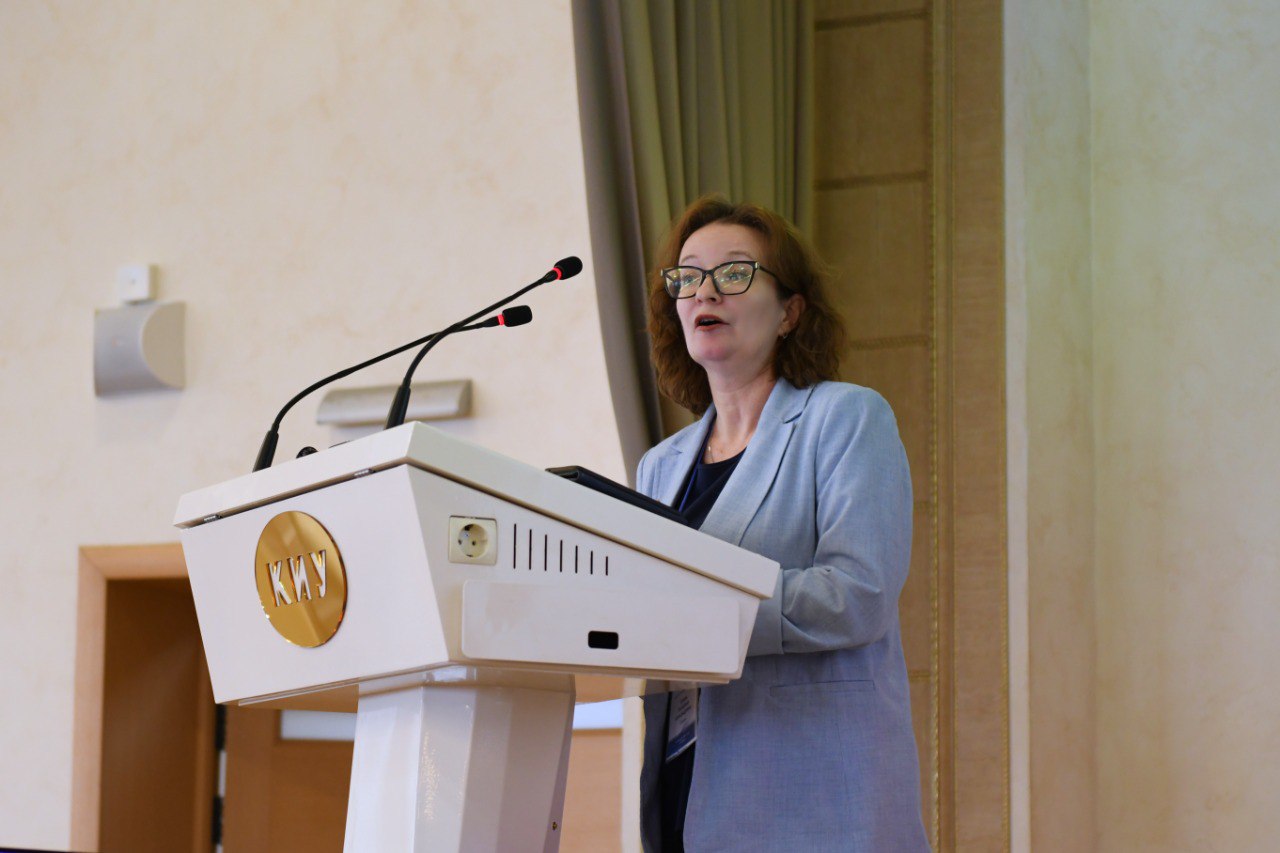
Kazan educators also actively participated in the round table: Zaliya Valiakhmetova (educational psychologist, speech therapist) and Lilit Gasparyan (special education teacher) from Polytechnic Lyceum No. 182 presented an innovative project, "Podcast: A Modern Tool for the Comprehensive Development of Children with Disabilities." Elena Karsakova, Deputy Director and speech therapist at Multidisciplinary Lyceum No. 188, discussed the operational system of an inclusive educational organization using her lyceum as an example.
The day at venue No. 1 concluded with a summary of the results and the collection of initial proposals for the forum's final resolution.
University Laboratory: Focus on Dyslexia and Dysgraphia
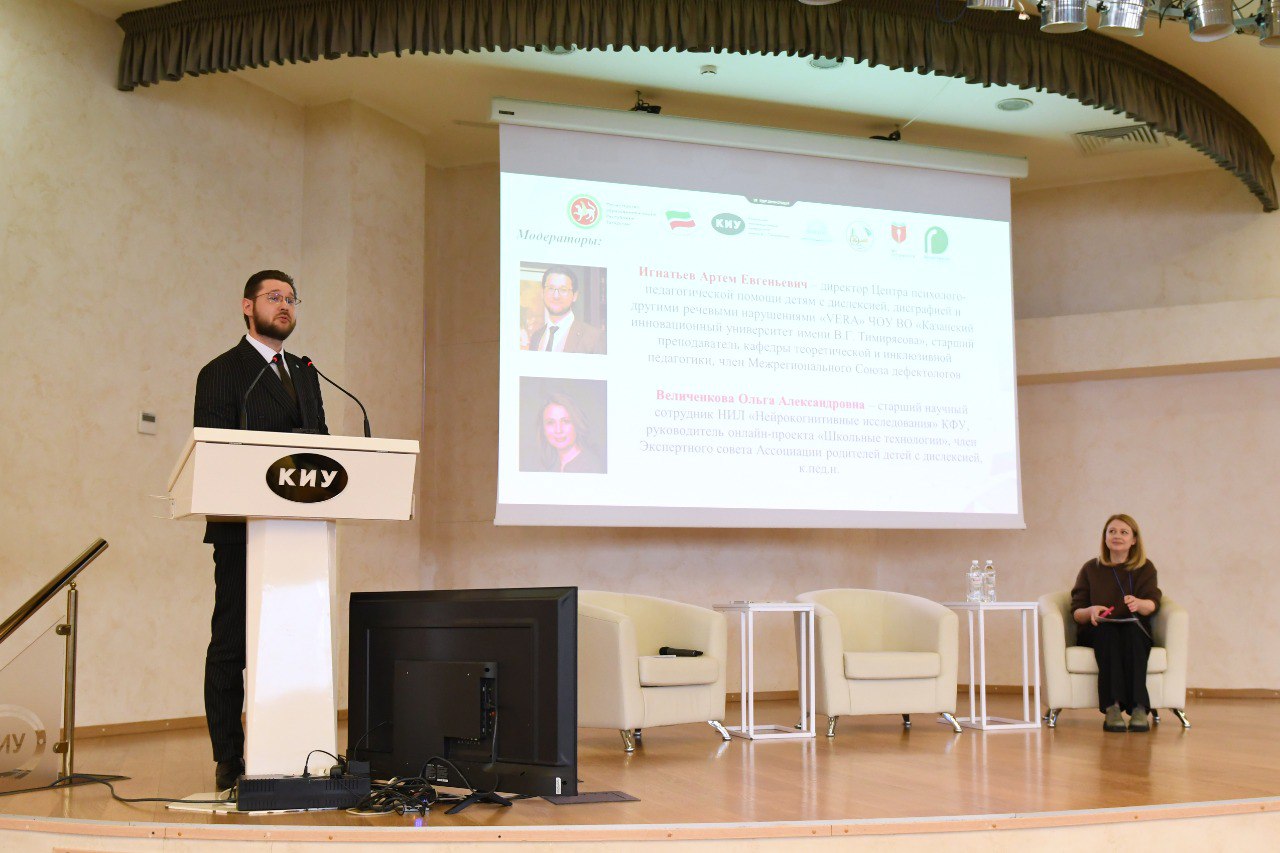
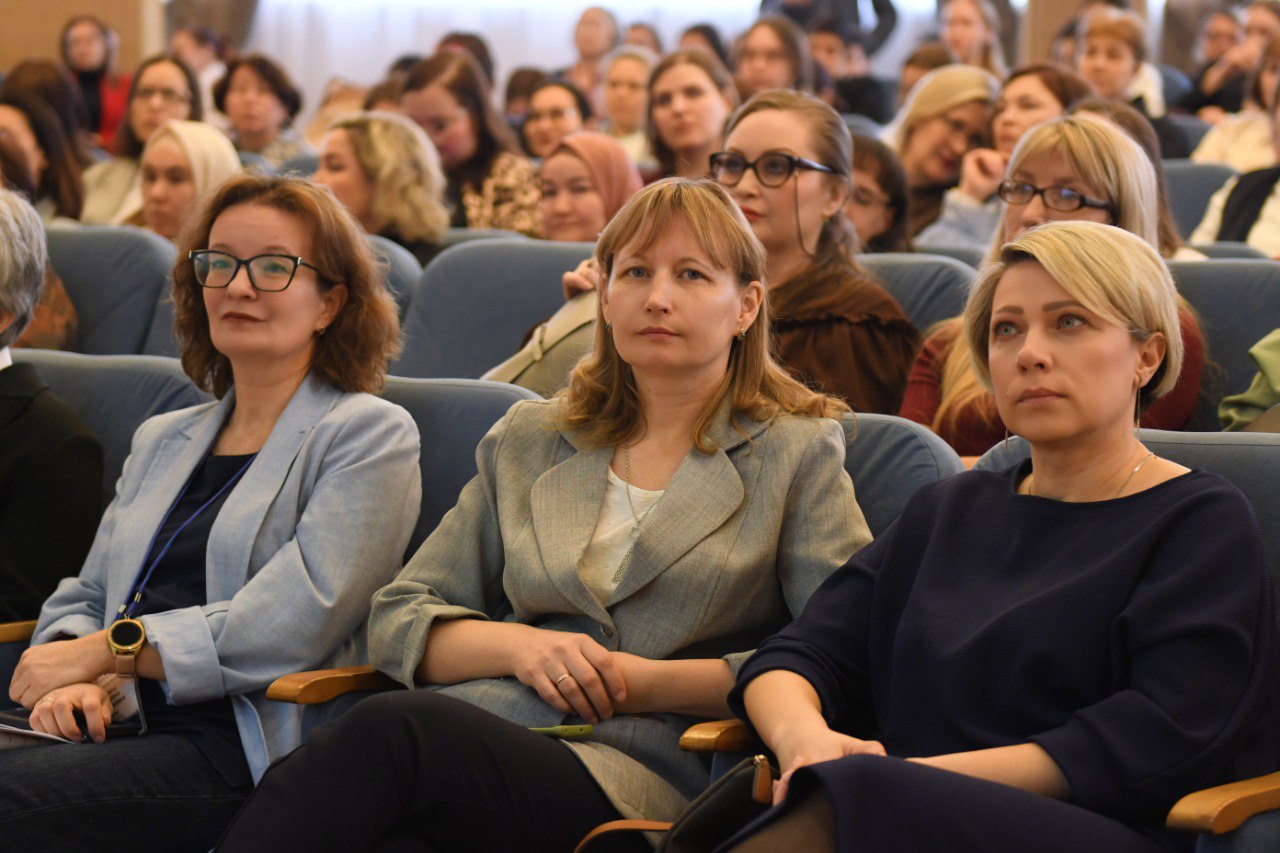
Concurrently with the master classes and round table at the lyceum, a specialized sectional meeting was held at KIU (Zaitseva St., 15) on the topic "Dyslexia, Dysgraphia, and Related Learning Difficulties: Research, Diagnosis, and Correction." This venue brought together linguists, speech therapists, special educators, and neuropsychologists.
The moderators were Artyom Ignatiev, Director of the "VERA" Center for Psychological-Pedagogical Assistance to Children with Dyslexia, Dysgraphia and Other Speech Disorders at KIU, Senior Lecturer at the Department of Theoretical and Inclusive Pedagogy, Member of the Interregional Union of Special Educators; and Olga Velichenkova, Candidate of Pedagogical Sciences, Senior Research Fellow at the Research Laboratory "Neurocognitive Research" at KFU, Head of the online project "School Technologies," Member of the Expert Council of the Association of Parents of Children with Dyslexia.
Participants were greeted by Natalia Yultyeva (Senior Methodologist at the Information and Methodological Department of the Kazan Education Department), Olga Grigorieva (Dean of the Faculty of Psychology and Pedagogy at KIU, Candidate of Biological Sciences, Associate Professor), and Natalia Paranina (Head of the Department of Theoretical and Inclusive Pedagogy at KIU, Candidate of Pedagogical Sciences, Associate Professor).
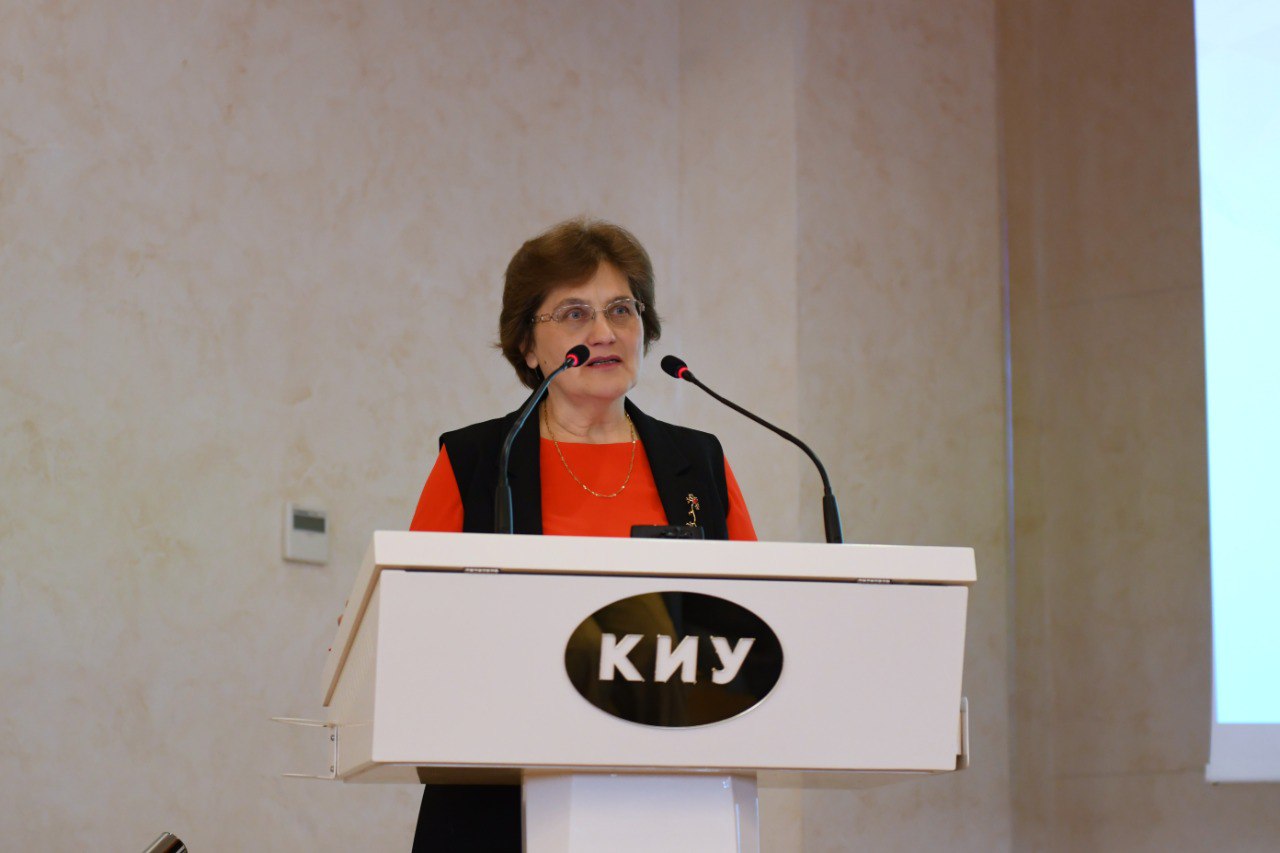
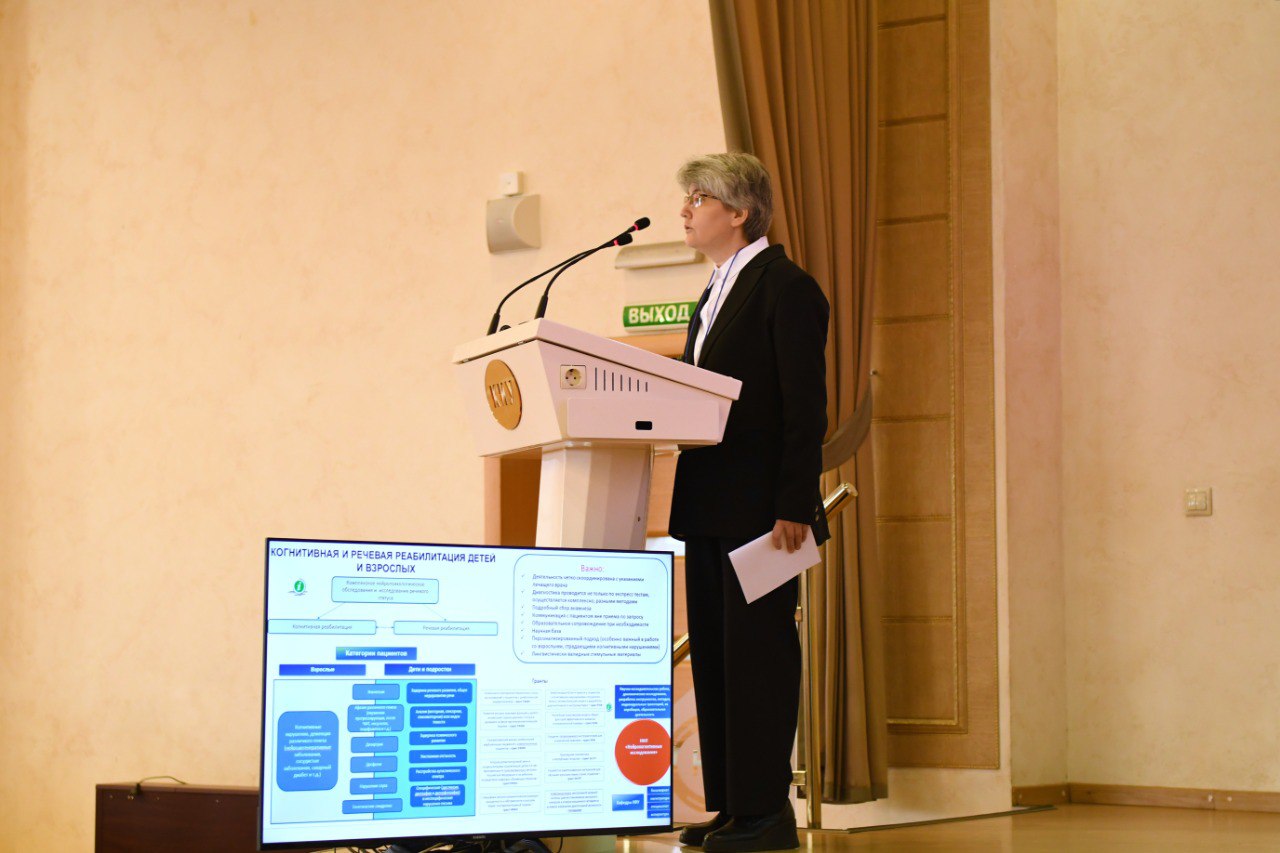
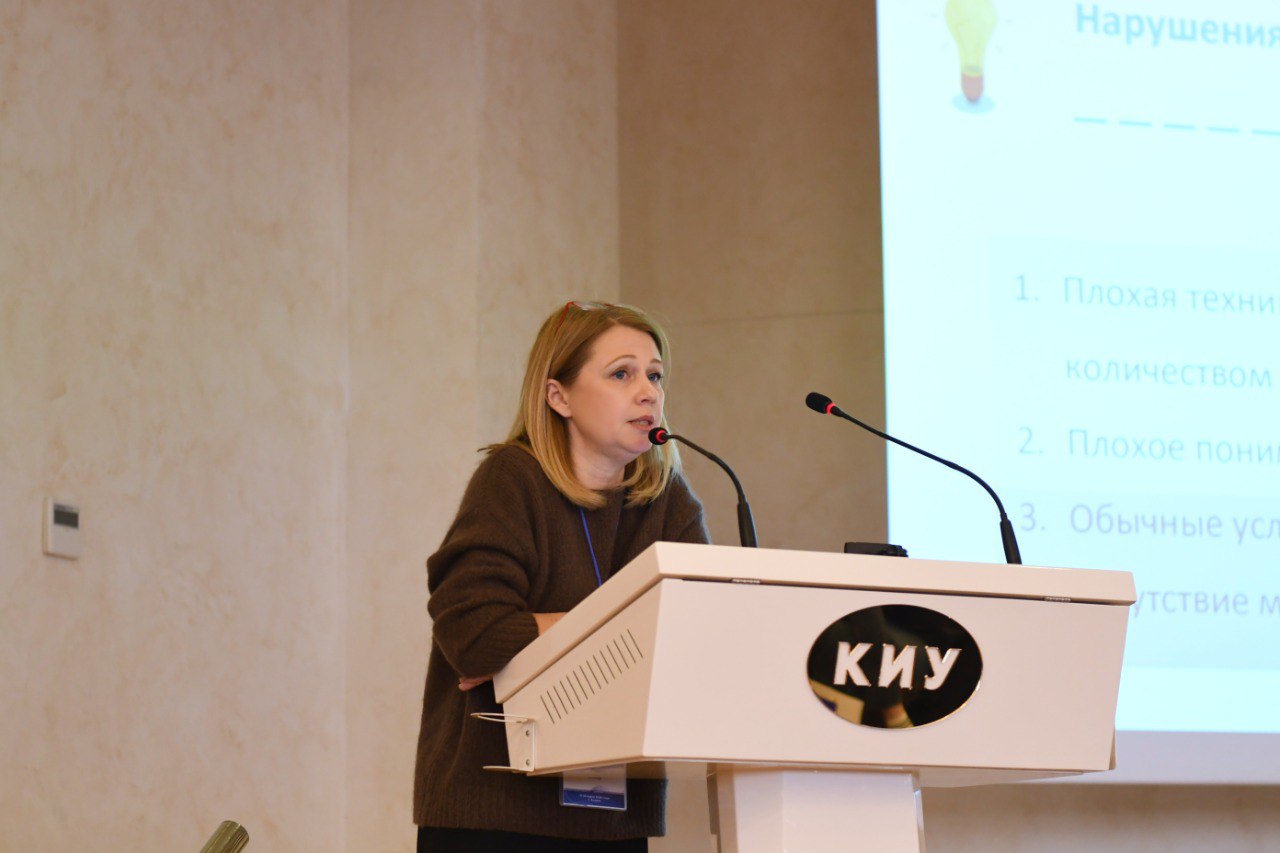
The scientific program of the section was notable for its depth and practical significance. Artyom Ignatiev presented a study, "Readiness of Primary School Teachers in General Education Schools to Provide Assistance to Younger Schoolchildren in Overcoming Written Speech Disorders," identifying problem areas and points for growth. Elena Gorobets, Candidate of Philological Sciences, Associate Professor, Scientific Director of the Research Laboratory "Neurocognitive Research" at KFU, Head of the Speech Pathology Center at KFU, presented a longitudinal study, "Risks of Developing Reading and Writing Disorders in Children with Alalia." Ruzalina Shaikhutdinova, Candidate of Philological Sciences, speech therapist at the KFU Speech Pathology Center, conducted an analysis of word-formation skills in children with learning difficulties. Ekaterina Savina, Senior Speech Therapist at the G.E. Sukhareva Scientific and Practical Center for Mental Health of Children and Adolescents (Moscow), addressed the topic of understanding complex grammatical structures by children with learning difficulties. Liliya Yunusova, a speech therapist at School No. 81 in Kazan, demonstrated the effectiveness of neuro-simulators in developing reading and writing skills. Olga Velichenkova presented an integrative report combining modern approaches to diagnosis and correction.
The session concluded with a lively discussion and also contributed proposals to the forum's final resolution.


 prev
next
prev
next