Personal Area
XV International Forum "Succession System of Inclusive Education" Launches at KIU: Technologies for Educational and Social Adaptation
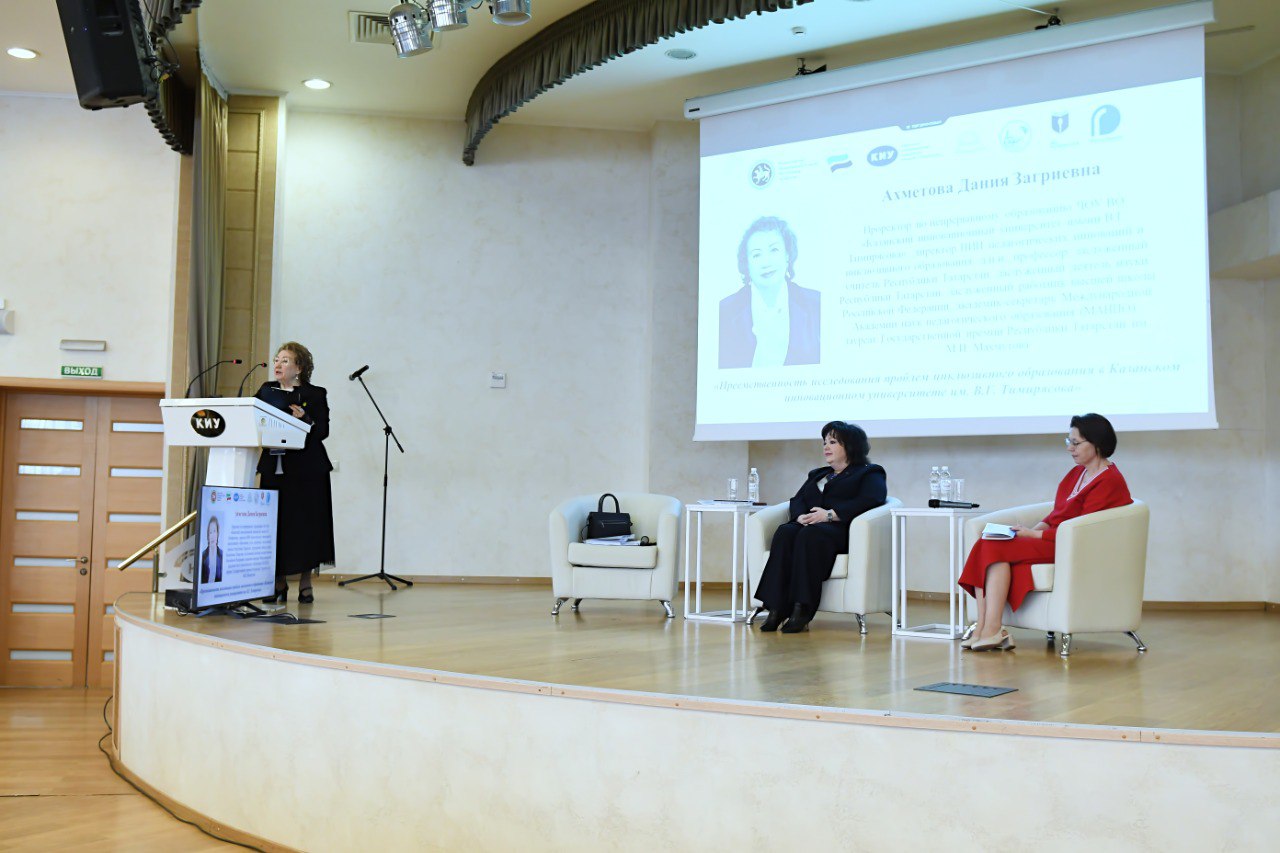
On March 11, the grand opening of the XV International Forum "Succession System of Inclusive Education: Technologies for Educational and Social Adaptation" took place at the Kazan Innovative University named after V.G. Timiryasov. This large-scale scientific and practical event, bringing together leading Russian and international experts in the field of inclusion, will last three days and cover key issues in the development of an accessible educational environment.
The opening ceremony began with a musical welcome from Jamil Sharifullin, Honored Artist of the Republic of Tatarstan and lead soloist of the Tatar Academic State Opera and Ballet Theater named after M. Jalil, setting a high cultural tone for the entire event.
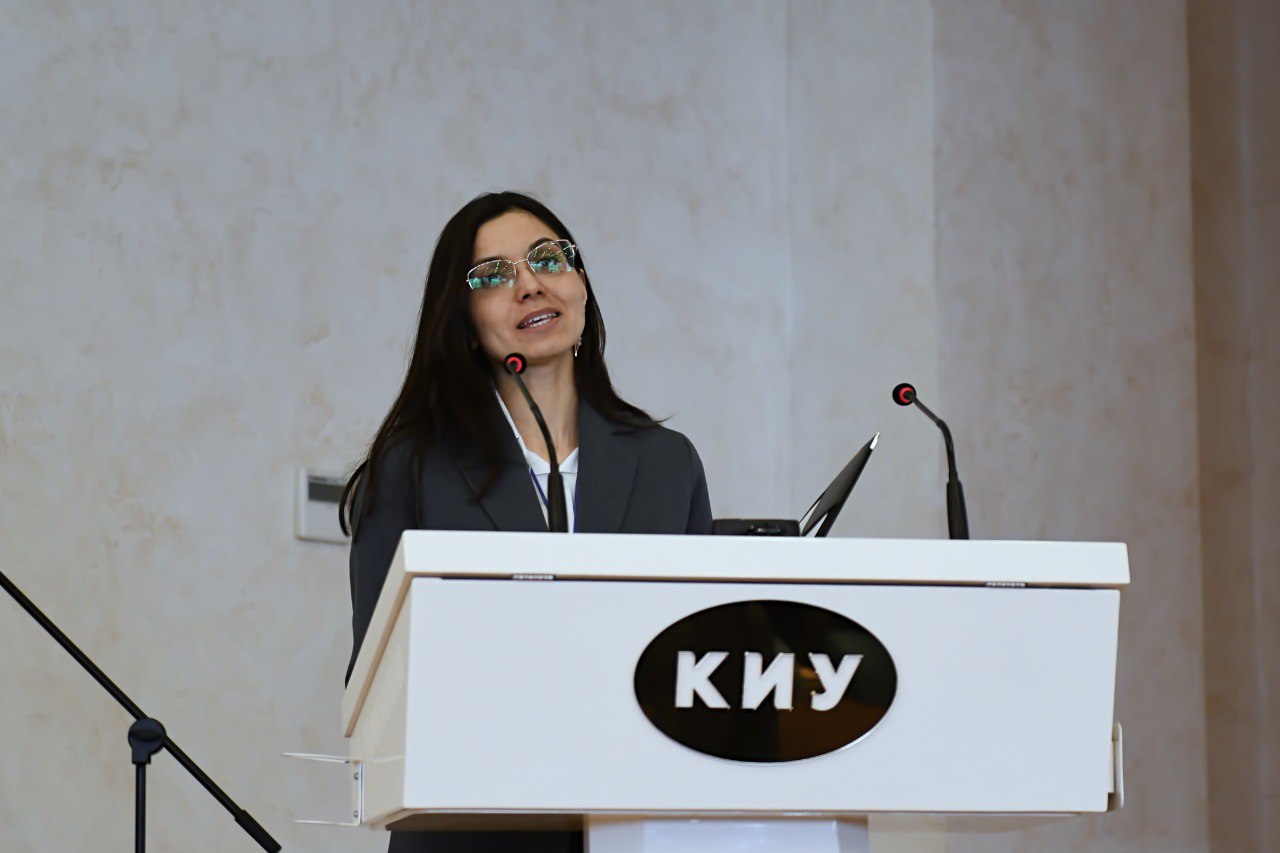
Participants were greeted by the forum organizer, Dania Akhmetova, Vice-Rector for Continuing Education at KIU and Director of the Research Institute of Pedagogical Innovations and Inclusive Education. She emphasized that the focus of the current forum is on technologies for the educational and social adaptation of all participants in the inclusive process. "At the previous 14 forums, we considered a huge number of issues related to the development of inclusive education and socio-cultural inclusion: the content of inclusive education, the development and implementation of adapted programs, and the socialization of students. We understand that the main goal of inclusive education is to prepare a person for life, for future professional activity, for starting a family, and for full existence in society," noted Dania Akhmetova.
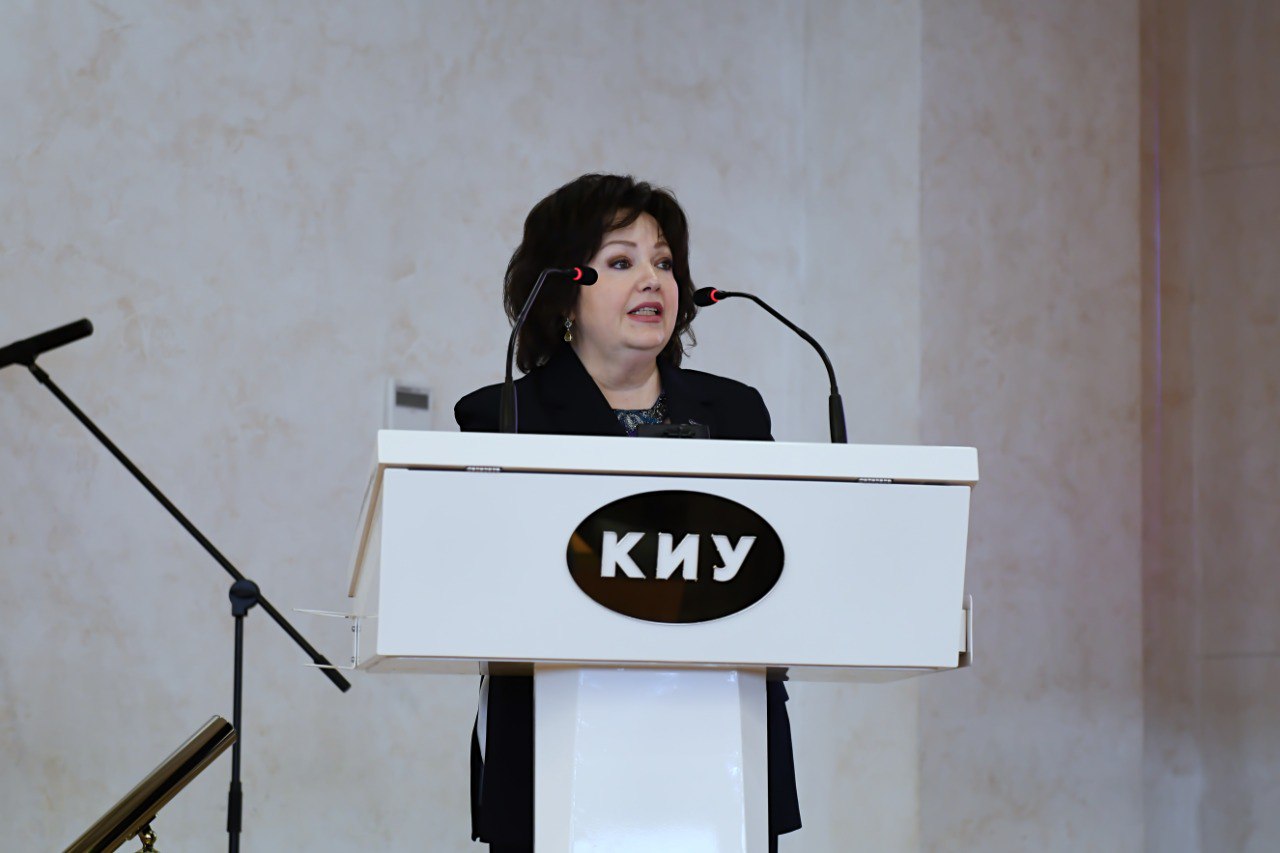
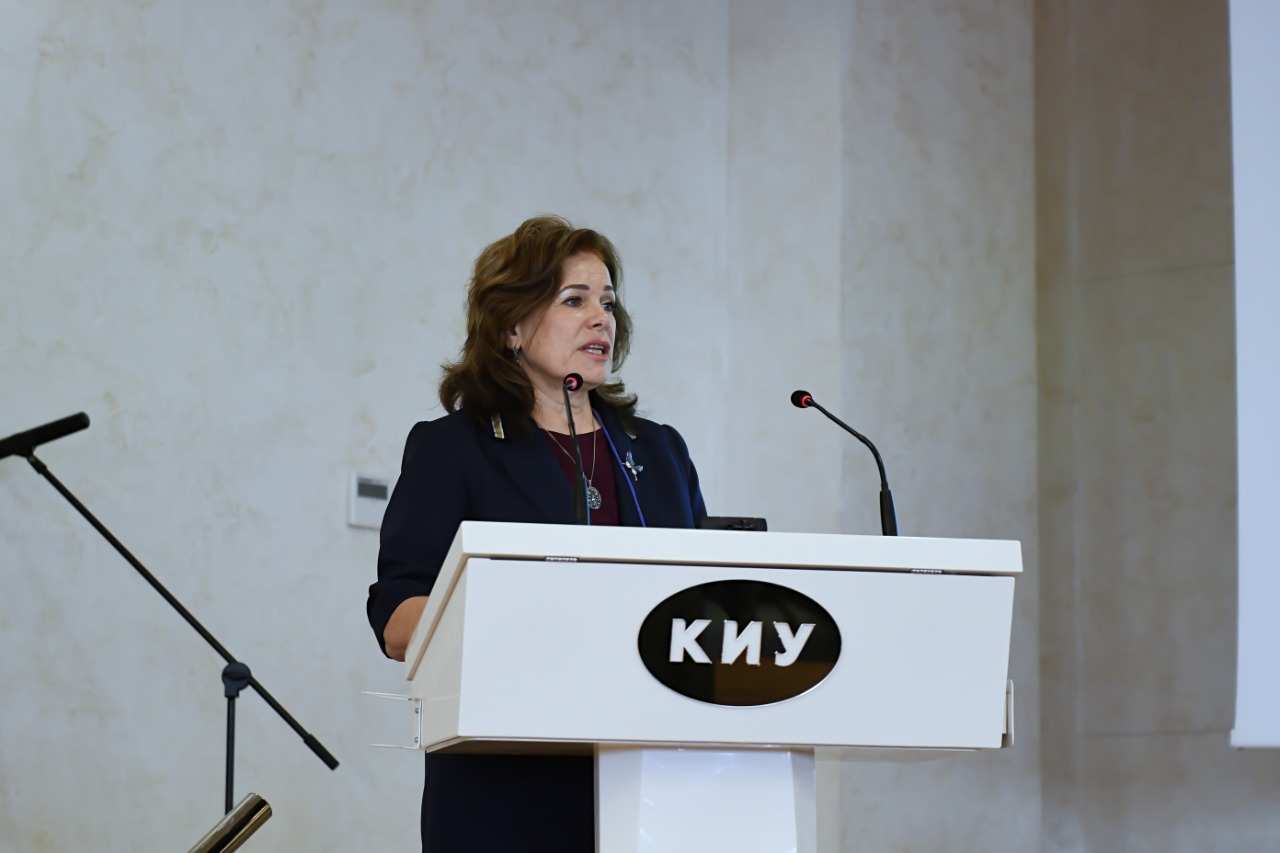
Asiya Timiryasova, Rector of Kazan Innovative University, highlighted the uniqueness of the forum in her speech: "No two forums repeat each other in format or content, but it traditionally consistently brings together everyone who cares about the fate of the younger generation and its future — prominent scientists, teachers, representatives of socially oriented organizations, parents, students, and pupils. The forum's theme reflects key research directions in the field of inclusive education, which we consider in a broad context — as education that provides all citizens with equal opportunities to acquire knowledge, socialize, and professionalize." Asiya Timiryasova recalled that 19 years ago, the university established the Department of Theoretical and Inclusive Pedagogy, and in 2017, opened the Research Institute of Pedagogical Innovations and Inclusive Education. "Extensive work is underway to research promising areas and adapt the educational process to the needs of all population groups. The forum program is extensive and practice-oriented. I am confident that participants will gain interesting and useful information these days."
Liliya Saubanova, Head of the Department of General Education and Final Student Assessment at the Ministry of Education and Science of the Republic of Tatarstan, greeted participants on behalf of Minister Ilsur Khadiullin and wished everyone productive work, emphasizing that "the result depends on the interaction of a large number of people who care about inclusion issues." She thanked the KIU leadership for organizing the forum and providing an opportunity to discuss pressing pedagogical problems. "The fact that our Republic of Tatarstan is one of the leaders in inclusive education is also confirmed by the high result achieved by our wonderful Lyceum No. 78, recognized as the 'Best Inclusive School – 2025'."
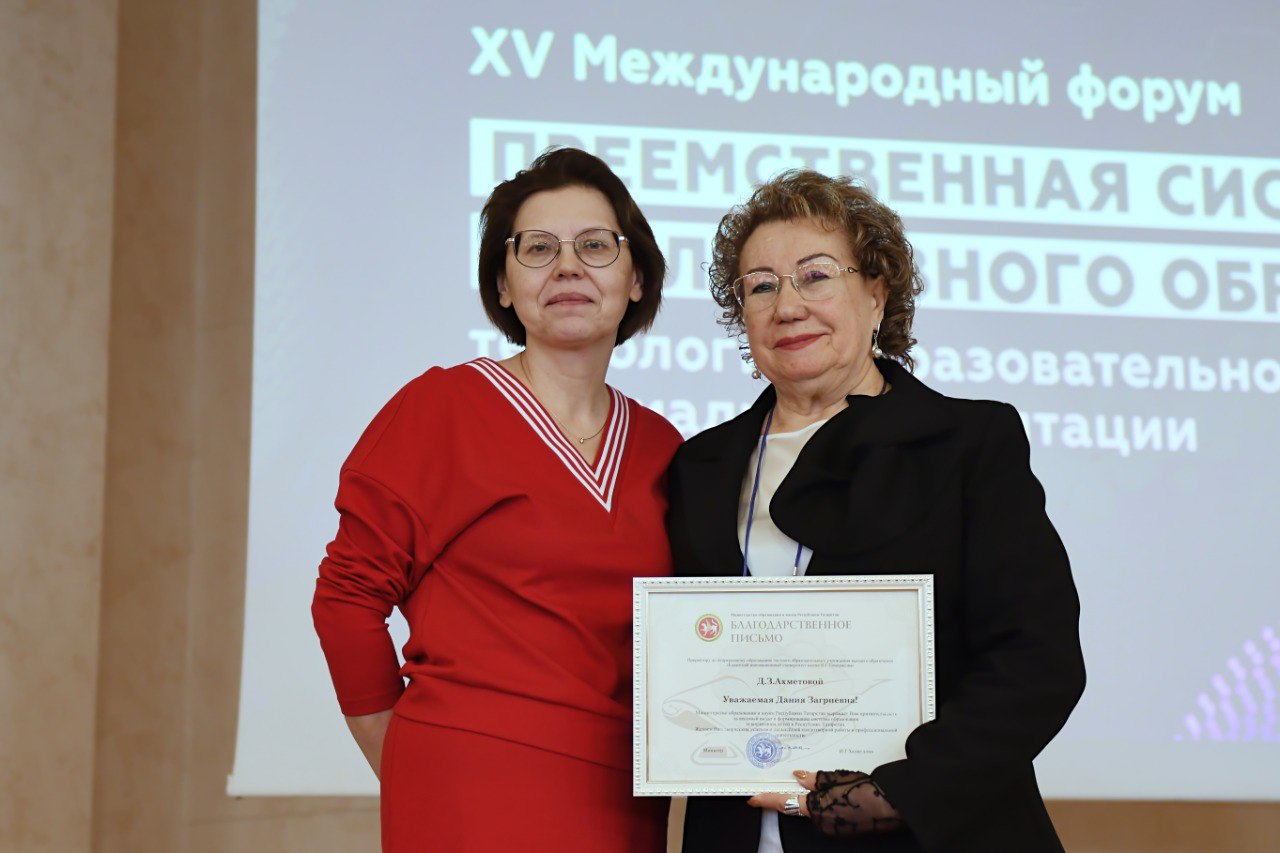
The plenary session was given a ceremonial touch by the awarding of Letters of Commendation from the Ministry of Education and Science of the Republic of Tatarstan for significant contributions to the formation of the education and upbringing system for children in the Republic of Tatarstan. The awards were presented to Dania Akhmetova, Vice-Rector for Continuing Education at KIU, as well as to other representatives of the republic's educational sphere.
"This event has become a great and beautiful tradition for us," noted Ilmira Urazova, Deputy Head of the Education Department of Kazan. "We eagerly await this forum because for Kazan, as a city of kind people, in the words of our mayor, this topic is especially important. We work directly in schools, kindergartens, with parents and children. And we are very glad that we are not alone in this work. Kazan Innovative University is our main assistant, because the topic is so serious that one cannot handle it alone, and science is always there with us."
Of particular interest to the audience was the report by Dania Akhmetova, "Discussion Discourse: Inclusive Education Through the Prism of Health Preservation for Children and Youth," which outlined new vectors for the development of inclusive practice in the context of preserving the health of the younger generation. She emphasized the importance of mixed groups where children with disabilities and their typically developing peers study together, but warned that if schools and teachers are not ready for inclusion, it could lead to negative consequences. "There are no unteachable people, and we must consider inclusive education through the prism of general education," she summarized.
Ilona Morozova, Deputy Director of the Research Institute of Pedagogical Innovations and Inclusive Education, presented to the forum participants an innovative project, "The Ecological Person," which looks to the future and reveals new facets of human interaction with the environment in the context of inclusion. The project examines the physiological characteristics of a person, their personal development, and also analyzes proven technologies for reducing stress and improving health. The new approach offers a perspective on children's health preservation through the lens of education, social relations, and management.
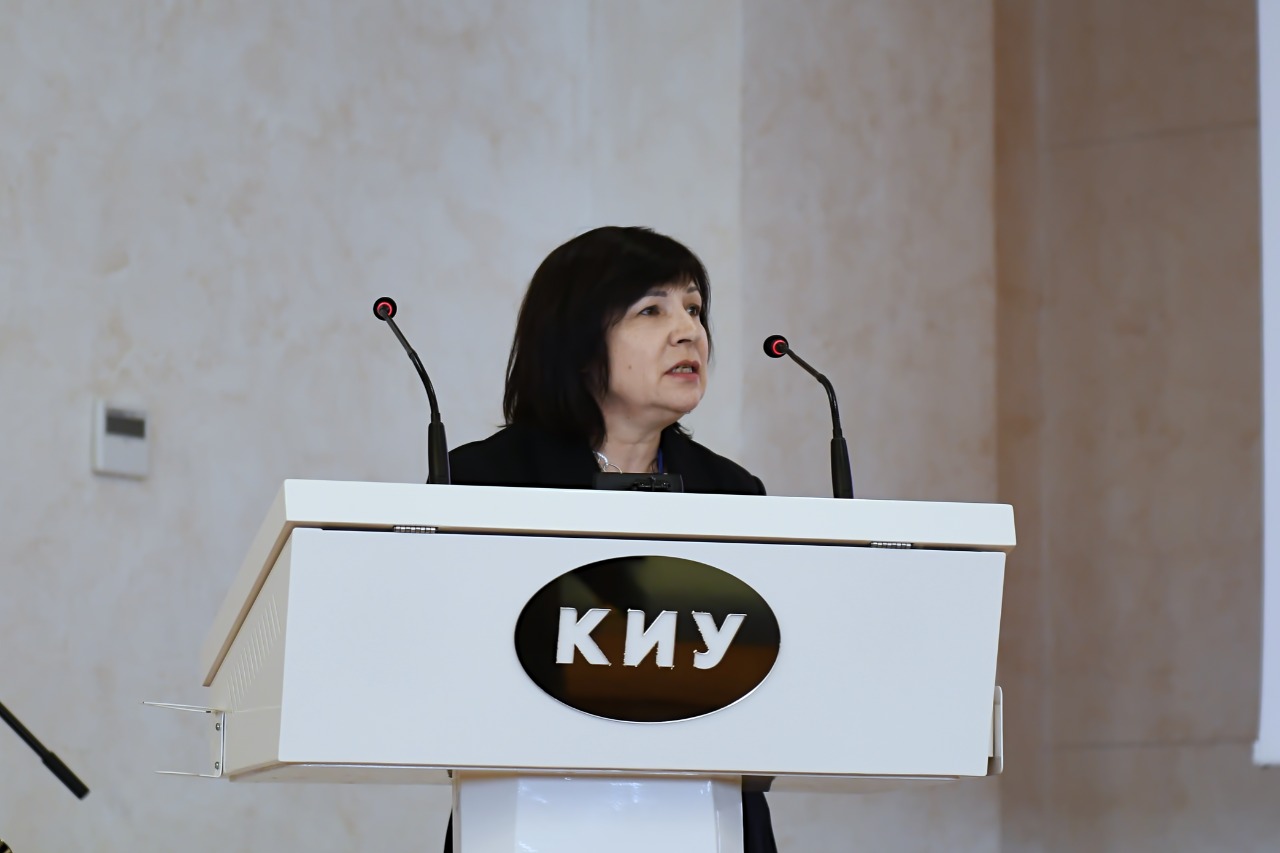
The international status of the forum was confirmed by the presentation of Vera Khitryuk (Republic of Belarus) with a report, "Inclusion Index: Assessment and Tasks," which presented modern approaches to measuring the effectiveness of an inclusive educational environment. The analysis of a large volume of data made it possible to identify key tasks for practicing teachers: developing the ability to implement the educational process on a diagnostic basis with an emphasis on methodological competencies (selection, adaptation, and modification of content and techniques). Today, this task is extremely urgent.
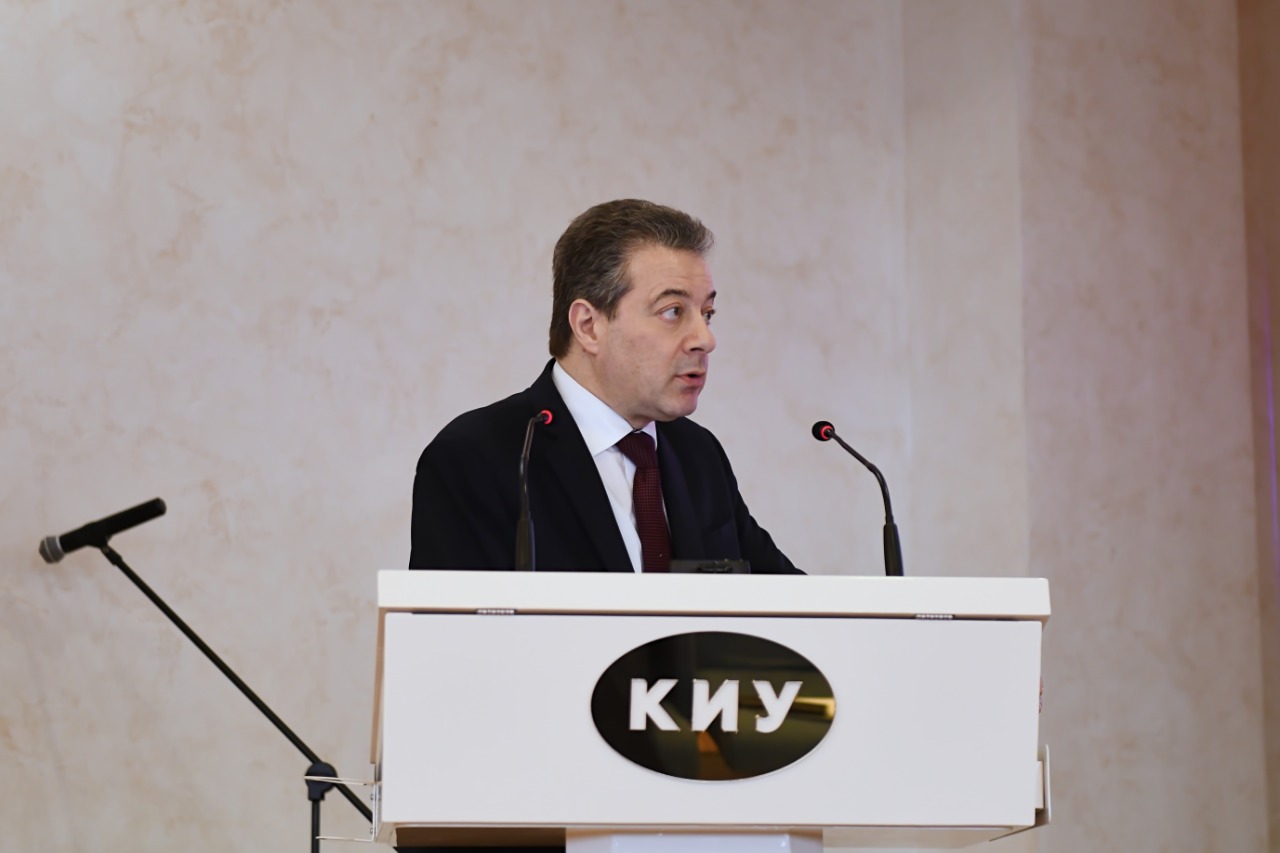
Professor Vitaly Kantor from the Herzen State Pedagogical University of Russia, in his report "Inclusive Context of the Continuity of General and Vocational Education," focused on the human factor in career guidance and psychological-pedagogical support for students with disabilities. He also emphasized the need to develop inclusive competencies among teachers themselves, many of whom do not yet pay due attention to this topic.
Elena Shumilova, Head of the Department of Defectology and Special Psychology at Kuban State University, presented a report, "Culture of Self-Care as a Component of the Quality of Professional Training for Future Teachers in Inclusive Education," which generated lively interest among the plenary session participants.
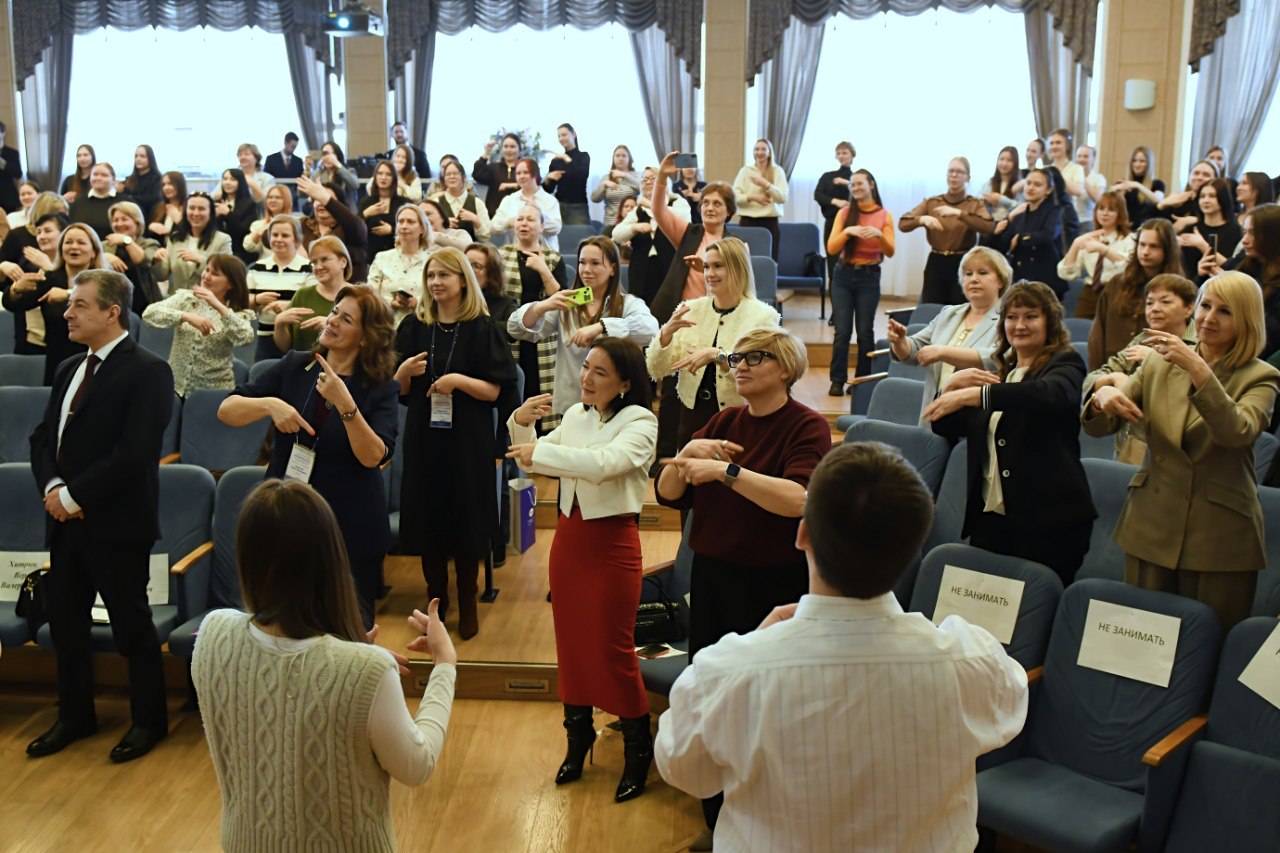
Current issues of reproductive health and responsible parenthood were raised in a joint presentation by Margarita Filatova-Safronova, Head of the Laboratory "Technologies of Inclusive Education," and Vladimir Filatov, Chief Physician of City Polyclinic No. 21. The married couple presented a substantive report, and Margarita Filatova-Safronova performed a heartfelt dance dedicated to family, which the audience in the hall gladly joined.
Maria Piotrovskaya, Founder and Founder of the Association of Parents of Children with Dyslexia, in her report drew attention to the problem of awareness within the pedagogical community regarding written and reading disorders in children, emphasizing the importance of early diagnosis and correction of these disorders.
A source of particular pride for the university was the presentation by Alfiya Urmancheeva, Director of Lyceum No. 78 "Farvater," who presented the successful experience of implementing health improvement, correction, and rehabilitation programs in an inclusive lyceum setting, which became the winner of the "Best Inclusive School of Russia" competition in 2025.
The first day of the forum concluded with an open microphone session and a summary of results, during which participants made initial proposals for the forum's final resolution.


 prev
next
prev
next